What is Adrenarche?

What is Adrenarche?

What is Adrenarche?
Adrenarche is a natural developmental phase in childhood when the adrenal glands begin to produce increased amounts of the hormone dehydroepiandrosterone (DHEA). This process usually occurs between the ages of 6 and 8 and precedes true puberty, known as

pubarche

, by about two years.
DHEA is a precursor hormone, meaning that the body converts it into stronger hormones such as

androgens

(testosterone, androstenedione) and

estrogen

. These hormones play an important role in initiating puberty, supporting reproductive health, and influencing body growth and development. In the bloodstream, DHEA mostly circulates as DHEA-sulfate (DHEAS), and its presence in blood tests indicates that adrenarche has begun. However, since adrenarche is a normal stage, this test is not routinely ordered for children.

What Happens During Adrenarche?

During adrenarche, the adrenal cortex—the outer layer of the adrenal gland—undergoes further maturation, especially in its innermost zone (zona reticularis). This development triggers the production of DHEA, which then transforms into androgens responsible for stimulating various glands and bodily changes, such as:

• Sebaceous glands

: These glands in the skin produce sebum, a protective oily substance that helps retain moisture and contributes to body odor.

• Apocrine glands

: Located in the underarm and genital regions, these glands remain inactive until activated by adrenal hormones.
It’s important to distinguish adrenarche from

gonadarche

, the stage when the ovaries or testes mature and start producing major sex hormones like estrogen or testosterone. Adrenarche and gonadarche are separate but complementary processes, each marking different aspects of development.

Premature Adrenarche

Premature adrenarche refers to the early appearance of pubic or underarm hair and body odor—before age 8 in girls or age 9 in boys. In most cases, this early onset is not harmful, but it can sometimes be confused with precocious puberty, which involves early breast or genital development.

Common symptoms include:

• Pubic and/or underarm hair growth in young children.
• Noticeable body odor that may require deodorant use.
Children with premature adrenarche are often taller than average for their age. Although the exact cause remains unclear, girls experience it more frequently than boys.
To rule out other possible conditions such as congenital adrenal hyperplasia, hormone-secreting tumors, or external hormone exposure, a pediatrician may recommend physical and laboratory examinations. About 90% of early pubic hair cases are due to premature adrenarche rather than disease.

Is It Dangerous or Treatable?

Premature adrenarche is generally not dangerous and usually doesn’t require medical treatment. However, research suggests a slightly increased risk of conditions such as obesity, insulin resistance, polycystic ovary syndrome (PCOS), and mood disorders later in life. Emotional well-being can also be affected—children who mature earlier than peers may experience embarrassment or social discomfort.
There is no medication to reverse or slow adrenarche-related hair growth, and prevention is not typically possible. Some studies associate early adrenarche with factors such as low birth weight, premature birth, or past brain injury.

Final Note

Adrenarche and pubarche are natural, healthy stages in a child’s growth. While premature adrenarche can be concerning for parents, it’s rarely a sign of illness. If your child shows early signs of puberty or experiences emotional distress related to these changes, consulting a pediatrician or child psychologist can help ensure healthy development and support their confidence during this transition.

What is bite correction?
02 February 2026
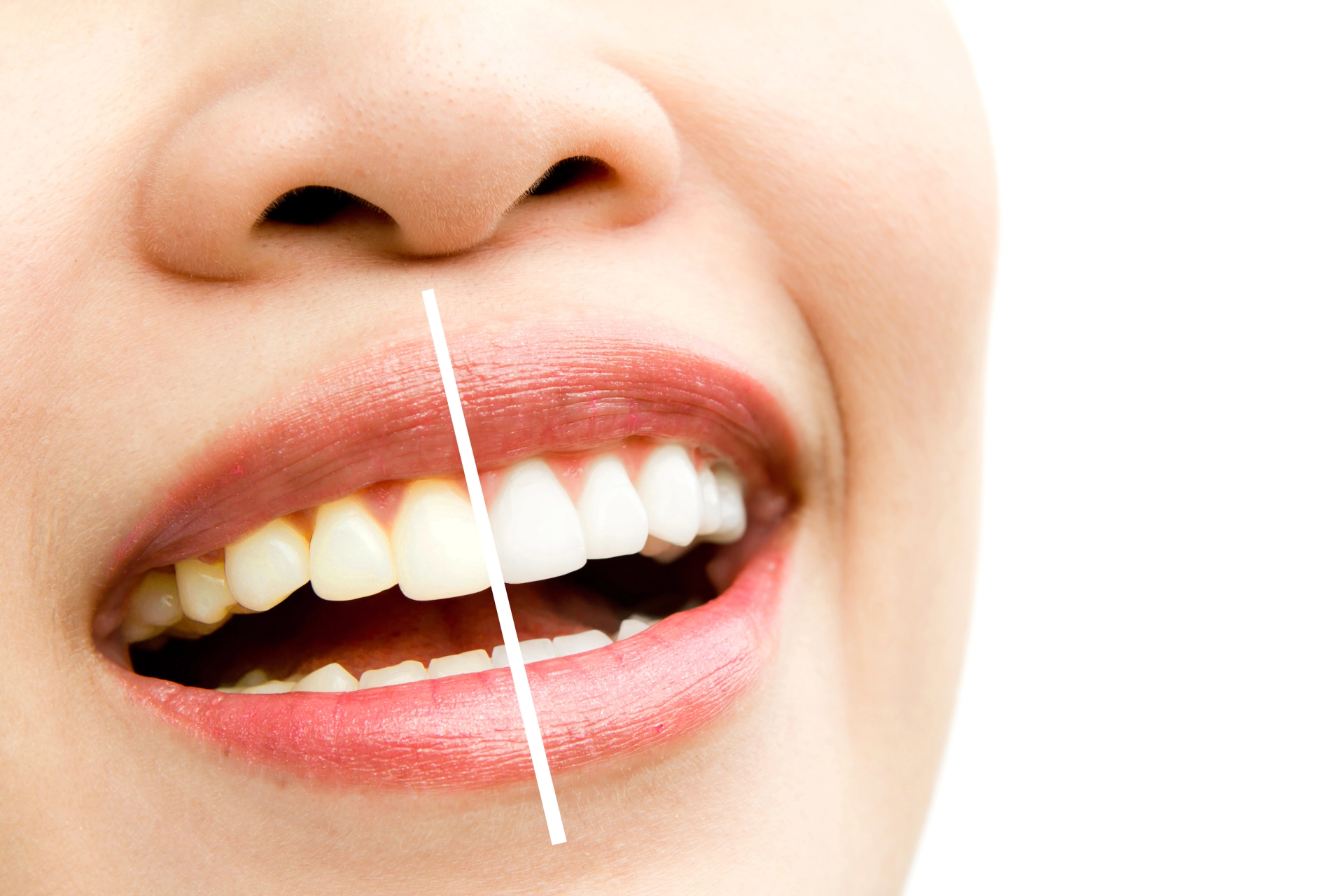
Bite correction is a dental and orthodontic treatment focused on improving how the upper and lower teeth fit together, a relationship known as occlusion. When the bite is properly aligned, the teeth, jaw muscles, and joints work together smoothly. When it is not, everyday actions such as chewing, speaking, or swallowing can become uncomfortable and inefficient.Many people believe orthodontic treatment is only about straight teeth, but bite alignment is just as important. A healthy bite protects your teeth from damage, supports jaw function, and contributes to overall oral and facial health.Understanding Bite Problems (Malocclusion)A misaligned bite, also called malocclusion, occurs when the upper and lower teeth do not align correctly when the mouth is closed. This condition may be caused by genetics, jaw development issues, missing teeth, injuries, or childhood habits.Common bite problems include:1. Overbite, Underbite, and CrossbiteAn overbite occurs when the upper teeth excessively overlap the lower teeth, while an underbite happens when the lower teeth extend past the upper teeth. A crossbite occurs when upper teeth sit inside the lower teeth instead of outside.2. Open Bite and CrowdingAn open bite means the teeth do not touch when biting down. Crowded or crooked teeth can also prevent proper alignment and lead to uneven pressure on teeth.3. General MisalignmentImproper spacing or positioning of teeth can affect chewing efficiency, oral hygiene, and jaw comfort.If left untreated, malocclusion may cause jaw pain, headaches, worn or damaged teeth, gum disease, and changes in facial appearance.Functional Benefits of Bite CorrectionBite correction improves how your mouth functions and helps prevent long-term oral problems.• Better chewing and clearer speechAligned teeth make eating more comfortable and can reduce speech difficulties.• Jaw pain and TMJ reliefCorrecting bite alignment reduces strain on jaw muscles and joints, easing tension, clicking, and discomfort.• Protection from tooth damageEvenly distributed bite pressure helps prevent enamel wear, chipping, and cracking.Proper alignment also makes brushing and flossing easier, lowering the risk of cavities and gum disease.Aesthetic and Confidence BenefitsBite correction doesn’t just improve function—it also enhances appearance. Proper alignment creates a more balanced smile, improves facial symmetry, and reduces crowding or gaps. Over time, untreated bite problems may contribute to premature facial aging or jawline changes.A healthy, aligned smile often leads to increased confidence, positively affecting both personal and professional life.Causes and Symptoms of a Bad BiteMalocclusion is often inherited, but it can also result from habits or medical conditions. Common causes include: thumb-sucking, prolonged pacifier use, jaw injuries, missing or impacted teeth, teeth grinding, tongue thrusting, mouth breathing, and poor oral hygiene. Symptoms may include: difficulty chewing, jaw pain or clicking, headaches, speech issues, frequent cheek or tongue biting, mouth breathing, and noticeable changes in facial appearance.Bite Correction Treatment OptionsTreatment depends on the severity of the problem and the patient’s age.1. Orthodontic TreatmentsTraditional braces and clear aligners gradually move teeth into proper alignment and are effective for mild to complex cases.2. Restorative ProceduresCrowns, bridges, implants, or tooth replacement can help restore bite balance when teeth are missing or damaged.3. Advanced or Supportive TreatmentsBite adjustment, jaw expanders, headgear, tooth extraction, or jaw surgery may be recommended in more severe cases.Treatment typically lasts between 12 months and two and a half years, with regular checkups to monitor progress.When Is Bite Correction Necessary?Not every mild bite issue requires treatment. However, if malocclusion affects eating, speaking, breathing, oral hygiene, or causes pain or tooth damage, professional care is important. Early treatment—especially in children—is often easier, but adults can benefit from bite correction at any age.Take the First Step Toward a Healthier SmileA misaligned bite can affect your comfort, confidence, and long-term oral health. Early diagnosis and timely treatment help prevent complications and improve quality of life.If you are concerned about your bite, the experienced dental team at Dalimed Medical Center is ready to help. We provide personalized bite correction solutions using modern techniques to restore function and enhance your smile. Don’t wait—schedule a consultation at Dalimed Medical Center and take an important step toward a healthier, more confident future.
What Is Elastography of the Thyroid Gland?
29 January 2026
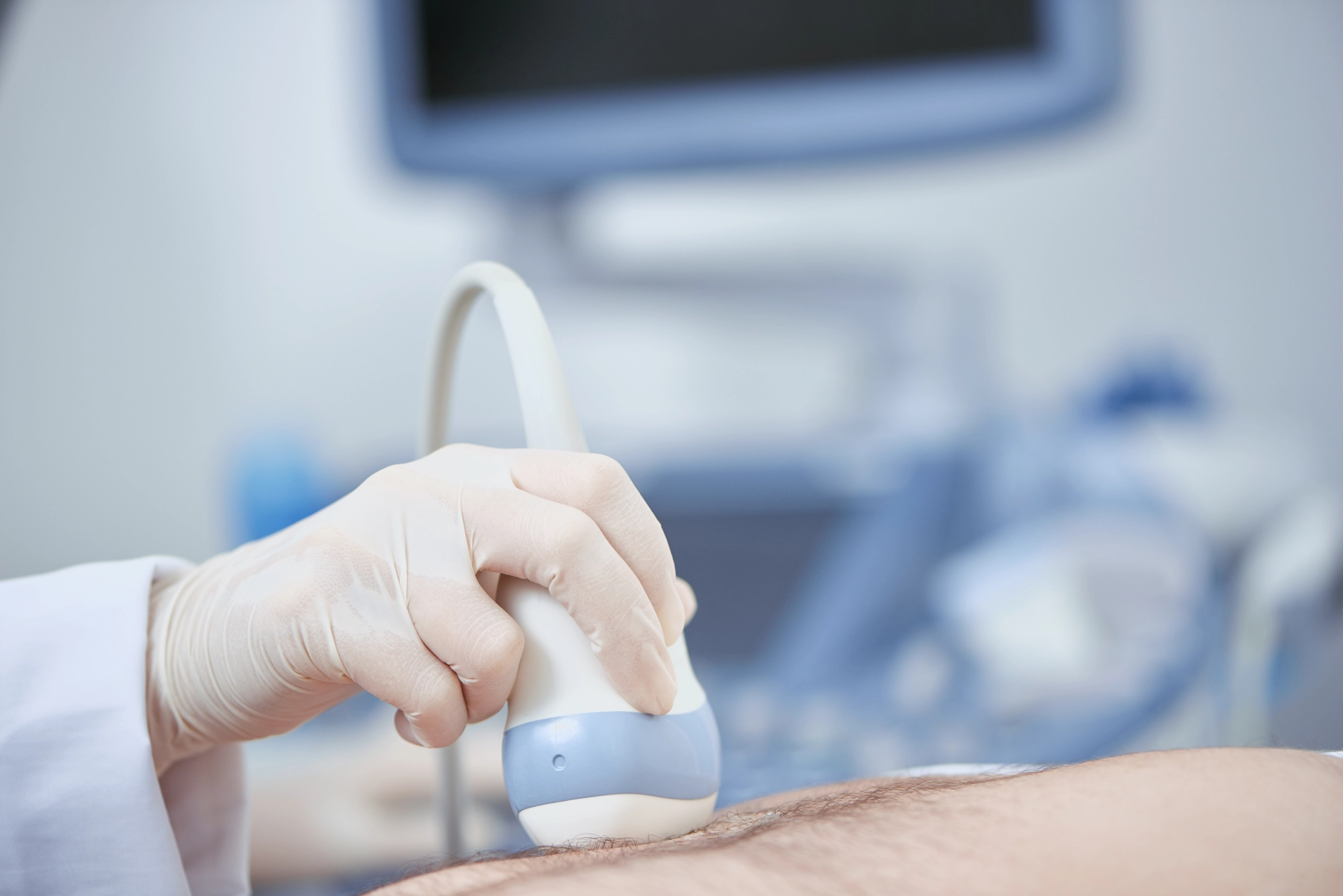
When you hear the word elastography related to the thyroid, there’s no need to worry. It’s simply a modern imaging method that gives doctors more information than a regular ultrasound. Elastography works like an “electronic palpation” — it allows doctors to assess how soft or stiff the thyroid tissue is, without physically touching it. Why Does This Matter? The thyroid gland is located at the front of the neck and often develops nodules, which are small lumps of tissue. Most thyroid nodules are harmless, but some may need closer attention. Doctors usually evaluate them with standard ultrasound and, in certain cases, a fine-needle biopsy. While these methods are helpful, they don’t always give the full picture. Elastography adds important extra information by showing how stiff the tissue is. Changes in tissue stiffness can occur with conditions such as nodules, inflammation, or other thyroid disorders. This information helps doctors better understand what they are seeing on ultrasound. How Does Thyroid Elastography Work? Elastography is performed during an ultrasound examination and does not cause pain or discomfort. The technique measures how thyroid tissue responds to gentle pressure or sound waves. In simple terms, elastography helps to: • Compare softer and stiffer areas within the thyroid • Provide additional details alongside regular ultrasound images • Support doctors in evaluating thyroid nodules more accurately What Are the Benefits for Patients? • Non-invasive and painless • Performed together with standard thyroid ultrasound • Provides additional information without extra procedures Where Can You Do This Exam? If you may benefit from thyroid elastography — especially if a previous ultrasound showed nodules or changes in the thyroid — you can have this examination at Dalimed Medical Center. The medical team performs thyroid elastography as part of comprehensive ultrasound diagnostics and explains the results in a clear and patient-friendly way.
What is a Holter monitor?
26 January 2026
A Holter monitor is a small, wearable medical device used to continuously record the electrical activity of your heart over an extended period, usually 24 to 48 hours, and sometimes longer. It’s a type of ambulatory electrocardiogram (ECG/EKG), meaning it monitors your heart while you go about your normal daily routine outside of a clinic or hospital. Unlike a standard ECG, which captures your heart’s activity for just a few minutes while you’re resting, a Holter monitor provides a much broader picture. By recording every heartbeat over one or more days, it helps healthcare providers detect heart rhythm problems that may appear only occasionally or during specific activities such as exercise, stress or sleep. How a Holter monitor works Your heart beats because of natural electrical impulses that control the timing and rhythm of contractions. A Holter monitor records these impulses through electrodes placed on your chest. The system usually includes: • Electrodes – small adhesive patches attached to the skin that detect electrical signals • Wires – connect the electrodes to the recording device (some newer models are wireless patch-style units) • Recording device – a lightweight, battery-powered monitor worn on a belt, strap or in a pocket The device stores all the data while you wear it. Your healthcare provider reviews the recordings only after you return the monitor—there’s no real-time monitoring. Why a Holter monitor may be needed Your healthcare provider might recommend a Holter monitor if symptoms suggest a heart rhythm issue that isn’t visible on a resting ECG. It’s especially useful when symptoms are intermittent. Common reasons include: • Dizziness, fainting or unexplained fatigue • Heart palpitations or irregular heartbeats • Chest discomfort or shortness of breath • Evaluating how well heart medications or a pacemaker are working • Assessing heart rhythm changes after a heart attack or in certain heart conditions Because the monitor records continuously, it increases the chance of capturing abnormal rhythms such as very fast, very slow or irregular heartbeats. What to expect while wearing a Holter monitor Getting set up is simple and usually done on an outpatient basis. After the electrodes or patch are placed on your chest, you can return to most of your normal activities, including work and light exercise, unless your provider advises otherwise. You’ll likely be asked to: • Keep a diary of activities and symptoms (noting time, activity and how you felt) • Avoid getting the device wet (no showering, bathing or swimming) • Stay away from strong magnetic or high-voltage environments that could interfere with the recording Recording what you’re doing when symptoms occur helps your provider match those moments with changes seen in your heart rhythm. Risks and limitations A Holter monitor is safe and painless. Risks are minimal, but some people may notice: • Mild skin irritation or itching where electrodes are attached • Discomfort when electrodes are removed • Loosening of electrodes due to sweating Electrical appliances, magnets or cell phones placed too close to the device may interfere with signal quality, so following instructions is important. After the monitoring period Once the monitoring time is complete, you return the device to your healthcare provider. The data from the monitor, along with your activity diary, is analyzed to look for abnormal heart rhythms, pauses or unusual rate changes. Results may show normal heart activity or detect rhythm disorders such as atrial fibrillation, bradycardia (slow heart rate), tachycardia (fast heart rate) or extra beats. Your provider will explain the findings and discuss next steps, which may include additional tests, medication adjustments or other treatments if needed. A Holter monitor is a valuable, noninvasive tool that helps healthcare providers better understand how your heart behaves throughout your everyday life—not just in a brief moment in the exam room. If you have heart-related symptoms, you can visit Dalimed Medical Center for a specialist consultation and, if needed, undergo Holter monitoring using modern equipment in a comfortable clinical setting.
What is human cytomegalovirus?
19 January 2026
Human cytomegalovirus (HCMV), commonly known as CMV, is a widespread virus from the beta-herpesvirus family that causes lifelong infection. Once a person is infected, the virus remains in the body in a dormant state and may reactivate later. CMV is extremely common worldwide, with infection rates ranging from 55% to nearly 100%, depending on age, geography, and socioeconomic conditions. Most healthy people experience no symptoms or only mild, flu-like illness during primary infection. However, CMV can cause severe and life-threatening disease in individuals with weakened immune systems, including newborns, pregnant women, organ transplant recipients, and people living with HIV/AIDS. CMV and High-Risk Groups CMV is the leading infectious cause of congenital abnormalities in developed countries, affecting approximately 1–2.5% of all live births. The virus can cross the placenta during pregnancy and infect the fetus, even if the mother has no symptoms. Complications of congenital CMV may include: • Low birth weight • Hearing and vision loss • Microcephaly • Enlarged liver and spleen • Developmental and cognitive delays In immunocompromised adults, CMV can cause pneumonia, gastrointestinal disease, retinitis, neurological complications, and may contribute to transplant rejection. Transmission of CMV CMV spreads through direct contact with infected body fluids, such as saliva, urine, blood, breast milk, and sexual fluids. Young children are a common source of infection due to prolonged viral shedding. Main routes of transmission include: • Close contact with saliva or urine • Sexual contact • Breastfeeding • Blood transfusions and organ transplants Diagnosis, Treatment, and Prevention CMV is diagnosed using blood, urine, or saliva tests. Treatment with antiviral medications (ganciclovir or valganciclovir) is usually limited to high-risk patients, as these drugs cannot reverse existing damage and may cause side effects. Prevention focuses on reducing exposure, especially during pregnancy:• Strict hand hygiene • Avoiding sharing utensils with young children • Practicing safe sex • Medical monitoring after transplantation Conclusion Human cytomegalovirus is usually harmless in healthy individuals but can cause serious disease in vulnerable populations. Improved understanding of CMV biology and immune interactions is essential for better therapies and the development of an effective vaccine.

Fill in the required fields

I am waiting for a call

We will help you quickly find what you need!

Thank you!
Our employee will contact you soon
Close
dalimed medical
How can we help?
Leave your number and we will call you back
Book a call
I agree with the terms of personal data processing
Thank you!
Our employee will contact you soon
Close