What is bite correction?

What is bite correction?

What is bite correction?
Bite correction is a dental and orthodontic treatment focused on improving how the upper and lower teeth fit together, a relationship known as occlusion. When the bite is properly aligned, the teeth, jaw muscles, and joints work together smoothly. When it is not, everyday actions such as chewing, speaking, or swallowing can become uncomfortable and inefficient.
Many people believe orthodontic treatment is only about straight teeth, but bite alignment is just as important. A healthy bite protects your teeth from damage, supports jaw function, and contributes to overall oral and facial health.

Understanding Bite Problems (Malocclusion)

A misaligned bite, also called malocclusion, occurs when the upper and lower teeth do not align correctly when the mouth is closed. This condition may be caused by genetics, jaw development issues, missing teeth, injuries, or childhood habits.

Common bite problems include:

1. Overbite, Underbite, and Crossbite

An overbite occurs when the upper teeth excessively overlap the lower teeth, while an underbite happens when the lower teeth extend past the upper teeth. A crossbite occurs when upper teeth sit inside the lower teeth instead of outside.

2. Open Bite and Crowding

An open bite means the teeth do not touch when biting down. Crowded or crooked teeth can also prevent proper alignment and lead to uneven pressure on teeth.

3. General Misalignment

Improper spacing or positioning of teeth can affect chewing efficiency, oral hygiene, and jaw comfort.
If left untreated, malocclusion may cause jaw pain, headaches, worn or damaged teeth, gum disease, and changes in facial appearance.

Functional Benefits of Bite Correction

Bite correction improves how your mouth functions and helps prevent long-term oral problems.
• Better chewing and clearer speech
Aligned teeth make eating more comfortable and can reduce speech difficulties.
• Jaw pain and TMJ relief
Correcting bite alignment reduces strain on jaw muscles and joints, easing tension, clicking, and discomfort.
• Protection from tooth damage
Evenly distributed bite pressure helps prevent enamel wear, chipping, and cracking.
Proper alignment also makes brushing and flossing easier, lowering the risk of cavities and gum disease.

Aesthetic and Confidence Benefits

Bite correction doesn’t just improve function—it also enhances appearance. Proper alignment creates a more balanced smile, improves facial symmetry, and reduces crowding or gaps. Over time, untreated bite problems may contribute to premature facial aging or jawline changes.
A healthy, aligned smile often leads to increased confidence, positively affecting both personal and professional life.

Causes and Symptoms of a Bad Bite

Malocclusion is often inherited, but it can also result from habits or medical conditions.

Common causes include

: thumb-sucking, prolonged pacifier use, jaw injuries, missing or impacted teeth, teeth grinding, tongue thrusting, mouth breathing, and poor oral hygiene.

Symptoms may include

: difficulty chewing, jaw pain or clicking, headaches, speech issues, frequent cheek or tongue biting, mouth breathing, and noticeable changes in facial appearance.

Bite Correction Treatment Options

Treatment depends on the severity of the problem and the patient’s age.
1. Orthodontic Treatments
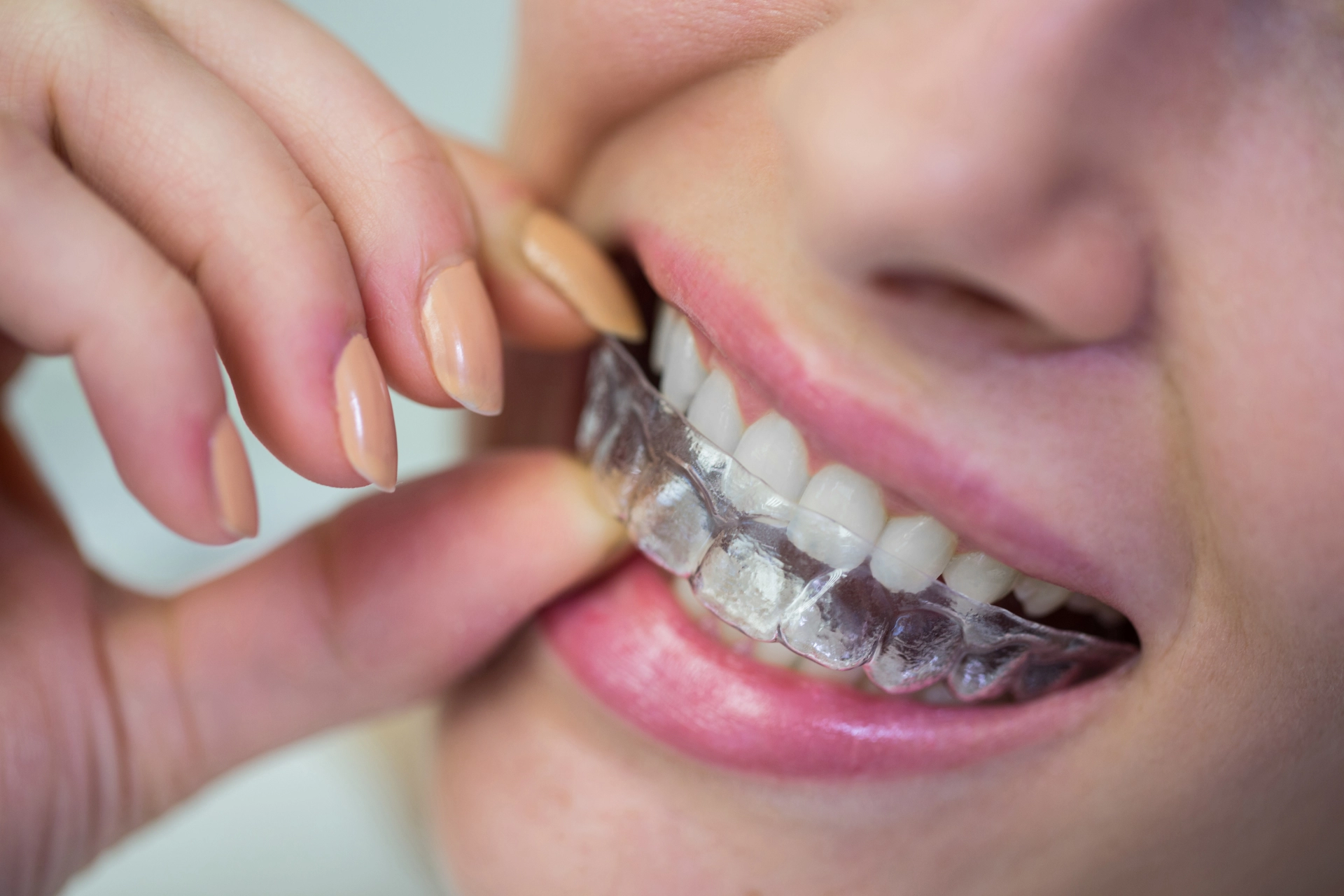
Traditional braces and clear aligners gradually move teeth into proper alignment and are effective for mild to complex cases.
2. Restorative Procedures
Crowns, bridges, implants, or tooth replacement can help restore bite balance when teeth are missing or damaged.
3. Advanced or Supportive Treatments
Bite adjustment, jaw expanders, headgear, tooth extraction, or jaw surgery may be recommended in more severe cases.
Treatment typically lasts between 12 months and two and a half years, with regular checkups to monitor progress.

When Is Bite Correction Necessary?

Not every mild bite issue requires treatment. However, if malocclusion affects eating, speaking, breathing, oral hygiene, or causes pain or tooth damage, professional care is important. Early treatment—especially in children—is often easier, but adults can benefit from bite correction at any age.

Take the First Step Toward a Healthier Smile

A misaligned bite can affect your comfort, confidence, and long-term oral health. Early diagnosis and timely treatment help prevent complications and improve quality of life.
If you are concerned about your bite, the experienced dental team at Dalimed Medical Center is ready to help. We provide personalized bite correction solutions using modern techniques to restore function and enhance your smile. Don’t wait—schedule a consultation at Dalimed Medical Center and take an important step toward a healthier, more confident future.
Why is a Thyroglobulin test needed?
06 May 2026
A thyroglobulin test is an important laboratory test that helps doctors evaluate the condition of the thyroid gland and monitor treatment results. It measures the level of thyroglobulin, a protein produced only by thyroid cells that participates in the formation of T3 and T4 hormones. Normally, a small amount of this protein is present in the blood. However, changes in its level can signal various processes—from thyroid activity to the presence of pathologies. Main role: monitoring after thyroid cancer The primary significance of the test is the observation of patients after thyroid cancer treatment. After the removal of the gland, the thyroglobulin level should be minimal or undetectable. The analysis allows for: • Evaluating how successful the treatment was • Identifying residual tissue or early recurrence • Tracking the course of the disease over time Dynamic changes in indicators, rather than a single value, are especially important—this provides the most accurate information. When else is this test prescribed? Although the main task remains monitoring oncology patients, the test can be used in other cases as well. Additionally, the test helps to: • Evaluate thyroid activity in hypo- or hyperthyroidism • Identify inflammatory processes (thyroiditis) • Distinguish the causes of thyrotoxicosis It is important to remember that the test is not suitable for the primary diagnosis of cancer, as its level can also increase in benign diseases. The thyroglobulin test is a tool for dynamic observation. It helps the doctor monitor treatment, timely identify changes, and make informed decisions, ensuring more accurate and safe patient management.
What is vitamin D and why we need it
02 May 2026
Vitamin D is an essential nutrient that plays a key role in keeping your body strong and balanced. It is often called the “sunshine vitamin” because your body can produce it when your skin is exposed to sunlight. But despite this natural source, many people today still have low levels of vitamin D. Why vitamin D matters Vitamin D supports several important functions in the body. Its most well-known role is helping your body absorb calcium and phosphorus—two minerals that are critical for building and maintaining strong bones. Without enough vitamin D, bones can become weak, increasing the risk of fractures and conditions like osteoporosis. However, its role goes far beyond bone health. Vitamin D also contributes to: • Healthy muscle function and strength • Proper immune system activity • Regulation of inflammation and pain • Overall energy levels and mood balance Low vitamin D levels have been linked to fatigue, muscle weakness, bone pain, and even mood changes such as depression. Why many people are deficient Vitamin D deficiency has become increasingly common. One major reason is lifestyle changes. People tend to spend more time indoors, whether working, studying, or using digital devices. Even when outdoors, sunscreen—while important for protecting against skin cancer—can reduce the skin’s ability to produce vitamin D. Other factors that may contribute include: • Limited sun exposure, especially in colder seasons • Darker skin tone, which reduces vitamin D production • Diets low in vitamin D-rich foods • Certain health conditions that affect absorption Because of these factors, many people do not get enough vitamin D naturally. How to get enough Vitamin D There are three main ways to maintain healthy vitamin D levels: • Sunlight: Short daily exposure (about 10–30 minutes) to sunlight on the skin can help your body produce vitamin D. • Food sources: Fatty fish (like salmon and sardines), egg yolks, mushrooms, and fortified foods such as milk or cereals contain vitamin D. • Supplements: In some cases, doctors may recommend vitamin D supplements, especially if levels are low. The dosage should always be guided by a healthcare professional, as too much vitamin D can also be harmful. When to consider checking your levels Vitamin D deficiency does not always cause obvious symptoms, but some signs may include: • Persistent fatigue • Muscle aches or weakness • Bone or joint pain • Frequent illnesses Doctors may recommend a simple blood test to check vitamin D levels, especially if symptoms are present or if you are at higher risk. Vitamin D is a small but powerful part of your overall health. Ensuring you get enough—through sunlight, diet, or supplements—can help support your bones, muscles, and overall well-being.
Stroke prevention: simple steps that can save your life
27 April 2026
A stroke can occur without warning, but in most cases, the risk builds up gradually over time. The encouraging part is that many strokes are preventable. By adopting healthy habits and managing existing health conditions, you can significantly lower your risk and protect your long-term well-being. Build strong daily habits Choose healthy foods; A nutritious diet plays a central role in stroke prevention. Focus on fresh fruits and vegetables, whole grains, and lean proteins such as fish. Foods high in fiber help control cholesterol, while reducing salt intake supports healthy blood pressure. Limiting saturated fats and processed foods can further protect your blood vessels. Stay physically active; Regular exercise improves circulation, lowers blood pressure, and supports overall cardiovascular health. Aim for at least 30 minutes of moderate activity, such as brisk walking, on most days of the week. Even shorter periods of activity throughout the day are beneficial. Maintain a healthy weight; Being overweight increases the risk of conditions like high blood pressure and diabetes, both of which contribute to stroke. Even modest weight loss can make a meaningful difference in reducing risk. Avoid harmful habits Quit smoking; Smoking damages blood vessels, increases clot formation, and accelerates the buildup of plaque in the arteries. Quitting smoking is one of the most effective ways to reduce your stroke risk. Limit alcohol consumption; Excessive alcohol intake can raise blood pressure and increase the likelihood of stroke. Moderate consumption is recommended—generally no more than one drink per day for women and two for men. Take control of your health Monitor blood pressure; High blood pressure is the leading preventable cause of stroke and often develops without noticeable symptoms. Regular monitoring, along with lifestyle changes and medication if needed, is essential. Check cholesterol levels; High cholesterol can lead to narrowing of the arteries, reducing blood flow to the brain. Regular testing and proper management help lower this risk. Control diabetes; High blood sugar damages blood vessels over time, increasing the chance of clot formation. Managing diabetes through diet, physical activity, and medication helps protect your brain and heart. Treat heart conditions; Certain heart problems, especially irregular heart rhythms such as atrial fibrillation, can increase stroke risk by allowing clots to form and travel to the brain. Early diagnosis and proper treatment are crucial. Follow your treatment plan If you are prescribed medication for blood pressure, cholesterol, diabetes, or heart disease, take it exactly as directed. Do not stop or adjust your treatment without consulting your doctor, as consistent management is key to prevention. Stroke prevention does not require drastic measures. Simple, consistent choices—eating well, staying active, avoiding harmful habits, and managing your health—can have a powerful impact over time. Taking care of your health today is one of the most important steps you can take to protect your future.
What means blood group and Rh factor
22 April 2026
Your blood contains important information that helps doctors understand how your body works and how to treat you safely. Two key characteristics are your blood group and your Rh factor. Both are inherited from your parents and remain the same throughout your life. What is a blood group? A blood group is determined by special markers called antigens on the surface of your red blood cells. Based on these antigens, blood is divided into four main groups: • Group A – has A antigens and produces anti-B antibodies • Group B – has B antigens and produces anti-A antibodies • Group AB – has both A and B antigens and no antibodies • Group O – has no antigens but produces both anti-A and anti-B antibodies Antibodies are proteins in the blood plasma that protect your body by identifying and attacking foreign substances. This system is very important because if you receive the wrong blood type, your antibodies may attack the donated blood, causing a serious reaction. What is the Rh factor? In addition to the ABO system, blood is also classified by the Rh factor, which is another protein found on red blood cells: • If the protein is present, your blood type is Rh-positive (+) • If it is absent, your blood type is Rh-negative (−) By combining the ABO groups with the Rh factor, there are eight common blood types: A+, A−, B+, B−, AB+, AB−, O+, and O−. Most people are Rh-positive. Why are blood group and Rh factor important? Knowing your blood group and Rh factor is essential in everyday medical care. They play a major role in: • Blood transfusions – You must receive compatible blood to avoid dangerous immune reactions. • Pregnancy – If an Rh-negative mother carries an Rh-positive baby, her immune system may form antibodies against the baby’s red blood cells. This condition, called Rh incompatibility, can be prevented with proper treatment. • Emergency situations – In urgent cases, doctors rely on blood type information to provide safe and quick treatment. In most cases, blood group and Rh factor do not affect your daily health. However, they become very important in specific medical situations where blood mixing can occur. A simple blood test can determine your blood type and Rh status. Knowing this information in advance helps prevent complications and ensures you receive the right care when it matters most.

Fill in the required fields

I am waiting for a call

We will help you quickly find what you need!

Thank you!
Our employee will contact you soon
Close
dalimed medical
How can we help?
Leave your number and we will call you back
Book a call
I agree with the terms of personal data processing
Thank you!
Our employee will contact you soon
Close