Polisegmental osteochondrosis

Polisegmental osteochondrosis

Polisegmental osteochondrosis
Polisegmental osteochondrosis is a disease of the musculoskeletal system in which several or even all parts of the spine are affected. Because the painful sensations manifest differently in various parts, the disease is often confused with other ailments, so a thorough diagnosis is essential. This disease progresses much more difficultly than the usual form of osteochondrosis, as it causes rather mixed symptoms. Common symptoms include headache, dizziness, unprovoked nausea, and back pain that often radiates to the limbs.

The causes of polisegmental osteochondrosis include:

Spinal trauma

, which is usually associated with professional activity, an accident, or constant sports activities. Any damage to the musculoskeletal system does not pass without consequences, and the development of this disease is one of them.

Excessive body weight

, as extra pounds create an increased load on the vertebrae, which leads to their rapid wear and provokes degenerative changes.

Incorrect posture

. In young people, the disease is provoked by poor nutrition, being constantly in a bent position, scoliosis, or prolonged sitting at a computer desk.

Heredity

. If a similar disorder was observed in close relatives, there is a high probability of it being passed down.

Lack of physical activity

. The body must receive sufficient load every day for nutrients to enter the bones through diffusion from soft tissues. But if there is none, the metabolism is disturbed, which leads to the onset of degenerative processes in the bones.

Age-related changes

. This is one of the most common causes, as the natural aging process of the body gradually leads to various negative changes, including degenerative processes in the cartilage.

Poor nutrition

. The deficiency of minerals and vitamins in the body should also not be underestimated, as without them, all vital organs cannot develop normally.

The symptoms of the disease depend on its location. Polisegmental osteochondrosis of the cervical spine is characterized by the following signs:
• Acute pains that last long enough and are poorly eliminated by pain medications.
• Hearing loss and periodically appearing sharp pains.
• Sudden increase or decrease in blood pressure.
• Frequent dizziness.
• Impaired vision, the appearance of floating spots before the eyes.
• Difficulty swallowing or speech problems.
• The appearance of nausea, not related to a violation of the gastrointestinal tract.

Damage to the thoracic spine is less common, as this area is less mobile than others. The distinguishing features in this case are the absence of bright signs, especially at the beginning of the process. The only characteristic sign is intercostal neuralgia, which a doctor can detect during the initial examination. If left untreated, thoracic osteochondrosis will gradually make itself known with severe pain, cough with bronchospasms, and pressure in the heart area. These symptoms are often confused with pleurisy or pathologies of the heart muscle.

The degenerative process in the lumbar spine develops quickly and makes itself known even in the early stages. This is explained by the maximum load on this area, which includes the entire body weight and the heavy objects a person lifts every day. Symptoms include:
• Severe pain radiating to the lower limbs.
• Increased discomfort when trying to sit down or bend over.
• Lack of relief even in a relaxed position.
• Frequent bowel disorders or failures in the work of the pelvic organs.
• Increased weakness in the legs or loss of skin sensation.
• Difficulty in urination or defecation.
• Chronic aching pains or sharp pains in the lower back.

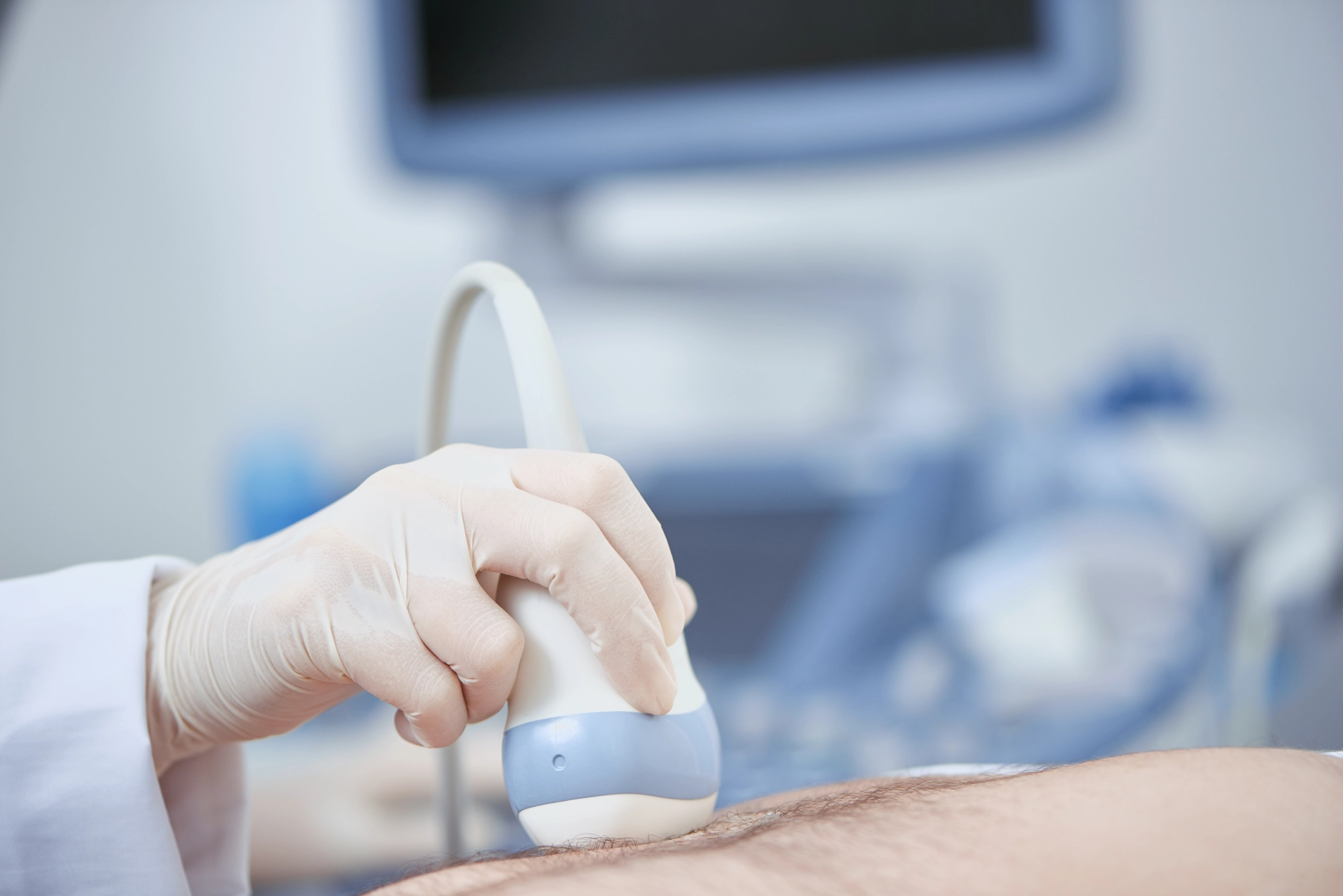
Upon the appearance of the first signs of pathology, it is necessary to make an appointment with a neuropathologist. The following methods are used to diagnose the disease: ultrasound, echography, MRI, X-ray, and Doppler of blood vessels. Treatment usually includes several directions at once, such as taking medications, strictly following a diet, physical therapy or visiting a manual therapist, acupuncture, therapeutic gymnastics, and unconventional medicine. The latter includes acupressure, hirudotherapy, manual therapy, and pharmacopuncture. PRP therapy is also used, which is the newest way to stimulate restorative processes. If the disease is not treated, it can lead to muscle dystrophy, acute circulatory failure, nerve entrapment, protrusions, and intervertebral hernias. Therefore, it is extremely important to be attentive to your health and see a doctor on time when the first symptoms appear.

Don’t postpone taking care of your spine health. At Dalimed Medical Center, you will receive professional diagnostics and effective treatment under the supervision of experienced specialists.
What Is Bradycardia?
11 December 2025
Bradycardia means your heart beats slower than normal — fewer than 60 beats per minute. For many people, especially athletes or those who are asleep, this can be completely normal. But sometimes a low heart rate signals a problem with the heart’s electrical system and may prevent the body from getting enough oxygen-rich blood. Many people with bradycardia feel no symptoms at all. Others may experience dizziness, fainting, unusual fatigue, shortness of breath or trouble concentrating. These symptoms appear when the heart isn’t pumping enough blood to meet the body’s needs. Even if you feel well, it’s important to talk to a healthcare provider if you notice that your heart rate is consistently lower than usual. Common causes include: • Age-related changes in the heart’s electrical pathways, electrolyte imbalances, underactive thyroid, sleep apnea and infections such as Lyme disease. • Heart conditions like cardiomyopathy or previous heart attacks, as well as certain medications including beta-blockers and calcium channel blockers. To diagnose bradycardia, doctors typically start with an electrocardiogram (ECG), though additional monitoring may be needed because slow heart rate episodes can come and go. Blood tests, echocardiograms, stress tests and sleep studies help identify underlying problems. Treatment depends on the cause. Sometimes adjusting medications or treating thyroid issues, infections or other conditions is enough to correct the heart rate. In more serious cases where the heart’s electrical system isn’t functioning properly, a pacemaker may be needed. If a person is healthy and has no symptoms — as is often the case with athletes — treatment might not be necessary. Seek emergency care if: • You have a low heart rate with chest pain, severe dizziness, difficulty breathing or fainting. • Your heart rate drops below 40 beats per minute and this isn’t normal for you. Bradycardia is often treatable and sometimes temporary. With early diagnosis and proper care, most people have a good outlook.
Benefits of a house call doctor
03 December 2025
House call medicine is returning in a big way, reshaping how people receive care in today’s fast-paced world. What once seemed like a tradition of the past is now a modern solution for patients who value comfort, convenience, and meaningful connections with their healthcare providers. As lifestyles shift, populations age, and technology continues to evolve, in-home healthcare has become a practical and patient-centered alternative to traditional clinic visits. Care that comes to you The most obvious advantage of a house call doctor is simple: you don’t have to go anywhere. For individuals with limited mobility, chronic conditions, busy schedules, or post-operative needs, traveling to a clinic can be physically uncomfortable and emotionally draining. A home visit eliminates transportation challenges entirely, allowing the patient to stay in a familiar space while receiving professional care.Even for those who are otherwise healthy, having medical services brought to the doorstep adds a layer of ease that traditional appointments rarely offer. A more personal approach House call visits naturally allow for deeper, unhurried interactions. Without the rush of a clinic environment, providers can listen more closely, ask more thoughtful questions, and observe subtle details that might otherwise be missed. This extra time helps build a stronger relationship based on trust and understanding. Patients often find it easier to express concerns openly when they feel relaxed and unpressured—something that’s harder to achieve during quick, crowded office visits. Seeing the whole picture When care happens at home, providers gain a clearer understanding of a patient’s daily life. They can observe environmental factors that influence health—sleep setups, mobility challenges, fall risks, medication storage, dietary patterns, or stressors within the household. These small details often provide big insights. Better management of chronic conditions Chronic conditions such as heart disease, diabetes, COPD, and dementia often benefit greatly from consistent in-home oversight. Regular visits help keep symptoms under control, monitor progress, and adjust treatments before problems worsen. For many patients, this ongoing support means fewer complications and a stronger sense of stability. Comfort, privacy, and peace of mind Many patients feel anxious in clinical settings. Exams, bright lights, unfamiliar rooms, and long waits can create stress, especially for older adults, children, or those with anxiety. At home, the patient is surrounded by their own environment—familiar objects, comforting routines, and supportive family members. This sense of comfort encourages honest conversation and helps patients feel more in control of their care. Support for aging in place As the senior population grows, more older adults are choosing to remain at home for as long as possible. House call doctors play a crucial role in making this safe and achievable. They provide routine checkups, medication guidance, wellness monitoring, and post-operative care—all without the patient needing to travel. The future of healthcare is at home House call doctors offer a level of comfort, personalization, and meaningful connection that traditional clinics often struggle to match. As healthcare continues shifting toward patient-centered, flexible, and relationship-focused models, in-home care stands out as a powerful and modern solution. For many, it isn’t just a convenient option—it’s the best way to receive care.
What is a coagulogram?
02 December 2025
A coagulogram, or coagulation panel, is a diagnostic blood test that evaluates how effectively your blood forms clots. Clotting is a vital protective process that stops bleeding when blood vessels are injured. This mechanism relies on platelets and a series of proteins called clotting factors, which are mostly produced in the liver. Under normal circumstances, these factors remain inactive, but when bleeding begins, platelets become sticky and trigger a chain reaction that activates clotting factors and forms a stable clot. A coagulogram helps determine whether this complex system is functioning properly. It can show if blood clots too slowly, which may lead to excessive bleeding, or too quickly, which increases the risk of dangerous clots forming inside blood vessels. Such clots can travel to the lungs, brain, or heart and cause life-threatening complications. Why Is a Coagulogram Needed? Doctors may recommend this test when there is a suspicion of abnormal bleeding or clotting. People with prolonged bleeding after injuries or procedures, frequent nosebleeds, unexplained bruising, or blood in urine or stool may need this evaluation. It is also important for individuals showing signs of excessive clotting, such as leg swelling, sudden shortness of breath, or chest pain, which may indicate deep vein thrombosis or a pulmonary embolism. Many medical conditions can disrupt the balance of clotting factors, including liver disease, vitamin K deficiency, autoimmune disorders, cancer, severe infections, and nutrient deficiencies. Patients who take blood-thinning medications require regular monitoring, and a coagulogram is routinely performed before surgeries to ensure safe clotting function. What Does a Coagulogram Include? A coagulogram generally measures how long blood takes to clot and evaluates the key proteins involved in the clotting process. It typically includes tests such as PT/INR, aPTT, fibrinogen levels, and platelet count. Key Reasons to Perform a Coagulogram • To investigate unexplained bleeding or bruising and diagnose possible clotting factor deficiencies. • To assess the risk of excessive clot formation in cases of limb swelling, pain, or breathing difficulties. • To monitor patients taking anticoagulant medications such as warfarin. • To evaluate liver-related clotting factor production. • To ensure safe clotting before a surgical procedure. Main Components of a Coagulogram • PT/INR: Measures the time needed for blood to clot through the prothrombin pathway. • aPTT: Evaluates the internal clotting pathway and screens for factor deficiencies. • Fibrinogen level: Shows whether the final clot-forming protein is sufficient. • Platelet count: Determines if enough platelets are present to initiate clotting. • Specific factor assays: Identify missing or malfunctioning individual clotting factors. Conclusion A coagulogram provides essential information about how your blood clots and helps identify both bleeding risks and clot-forming disorders. By evaluating key components of the clotting system, it guides diagnosis and supports safe medical decision-making. This test is a valuable tool for maintaining overall health and preventing serious complications.
What is plasma therapy?
30 November 2025
Plasma therapy has become one of the most discussed modern medical procedures, offering benefits across regenerative medicine, dermatology, orthopedics, autoimmune disorders, and even severe infections. Although it sounds like a futuristic technology, the method is built on one of the body’s oldest and most essential components—blood plasma. Plasma is the liquid part of blood, making up around 55% of its volume. It contains water, proteins, minerals, antibodies, hormones, and nutrients. Its main role is transportation: carrying nutrients, hormones, immune components, and waste products throughout the body. Because of this rich composition, plasma plays a vital role in immunity, repair, and maintaining healthy balance in the body. What Is Plasma Therapy? Plasma therapy includes several techniques that use plasma for healing. The most widely used form is Platelet-Rich Plasma (PRP), where a patient’s blood is processed in a centrifuge to concentrate platelets. These platelets release growth factors that stimulate repair, reduce inflammation, speed wound healing, and improve skin and hair quality. PRP is used in dermatology, cosmetology, orthopedics, sports medicine, and chronic pain treatment. Another form is convalescent plasma therapy, where plasma from recovered patients transfers antibodies to someone fighting a severe infection. This approach became especially significant during outbreaks such as influenza, SARS, Ebola, and COVID-19. Plasmapheresis is another plasma-based method, used to remove harmful antibodies in autoimmune diseases. How Plasma Therapy Works Despite differences between treatment types, their mechanisms are similar. Plasma therapy enhances natural healing by supplying antibodies, stimulating collagen production, activating cell renewal, regulating inflammation, and removing harmful immune substances in autoimmune conditions. These combined effects help tissues recover faster, strengthen the immune response, and improve overall regeneration. What Conditions Can Plasma Therapy Help With? The therapy is effective across multiple fields. In infectious diseases, convalescent plasma provides immediate immune support when medications are limited. In autoimmune disorders such as lupus, myasthenia gravis, and Guillain-Barré syndrome, plasmapheresis helps reduce symptoms. PRP is widely used in orthopedics for osteoarthritis, tendon injuries, ligament strains, and muscle tears, helping many athletes avoid surgery. In dermatology and aesthetics, PRP is known for skin rejuvenation, texture improvement, pigmentation reduction, treating acne scars, and supporting hair growth. Benefits of Plasma Therapy Because plasma comes from the patient’s own body, it is natural, biocompatible, and carries very low risk of allergic reactions. The procedure is minimally invasive, requires little downtime, and enhances healing in conditions that may not respond well to medication. It can also be safely combined with other treatments. Risks and Limitations Although generally safe, plasma therapy may cause mild swelling, temporary discomfort, or dizziness. Rare allergic reactions can occur, and the cost may be higher due to individualized preparation. Results vary from person to person, and donor screening is essential for convalescent plasma use. How Long Do Results Last? PRP results typically last between six and twelve months, with improvements building gradually over time. Some patients may require repeated sessions depending on their condition. Conclusion Plasma therapy stands at the intersection of natural healing and medical innovation. By using the body’s own plasma, it supports regeneration, strengthens immunity, and opens new possibilities across both medicine and aesthetics. Whether used for serious diseases or cosmetic improvement, plasma therapy continues to transform modern healthcare and enhance quality of life.

Fill in the required fields

I am waiting for a call

We will help you quickly find what you need!

Thank you!
Our employee will contact you soon
Close
dalimed medical
How can we help?
Leave your number and we will call you back
Book a call
I agree with the terms of personal data processing
Thank you!
Our employee will contact you soon
Close