Eyelid Demodicosis — Causes, Symptoms, and Modern Treatment Methods

Eyelid Demodicosis — Causes, Symptoms, and Modern Treatment Methods

Eyelid Demodicosis — Causes, Symptoms, and Modern Treatment Methods
Demodicosis is a common yet often overlooked inflammatory disease of the eyes and eyelids, caused by the excessive multiplication of microscopic mites —

Demodex folliculorum

and

Demodex brevis

— which normally live on the human skin. These mites inhabit the hair follicles and meibomian glands, feeding on skin sebum and dead cells. Under normal conditions they do not cause harm, but when their number exceeds the norm, an inflammatory reaction occurs, leading to irritation, itching, and various ocular surface disturbances.
The activation of these mites is related to both internal and external factors.

The main causes include:

Weakened immune system

due to chronic diseases, infections, or prolonged stress.

Increased skin oiliness

, which creates a favorable environment for mite growth.

Hormonal imbalance

, such as thyroid or ovarian dysfunction.

Age-related changes

, as the condition is more common in middle-aged and elderly people.

Poor eyelid hygiene

and overuse of oily cosmetics, especially mascara and eye creams.
When several of these factors act together, Demodex mites begin to reproduce rapidly, causing inflammation of the eyelids and eye surface.

Symptoms

Demodicosis develops gradually. Initially, a person may notice mild itching or tingling around the eyelids, but over time the symptoms become more pronounced.

Typical symptoms include:

• Itching and burning of the eyelids, especially in the morning.
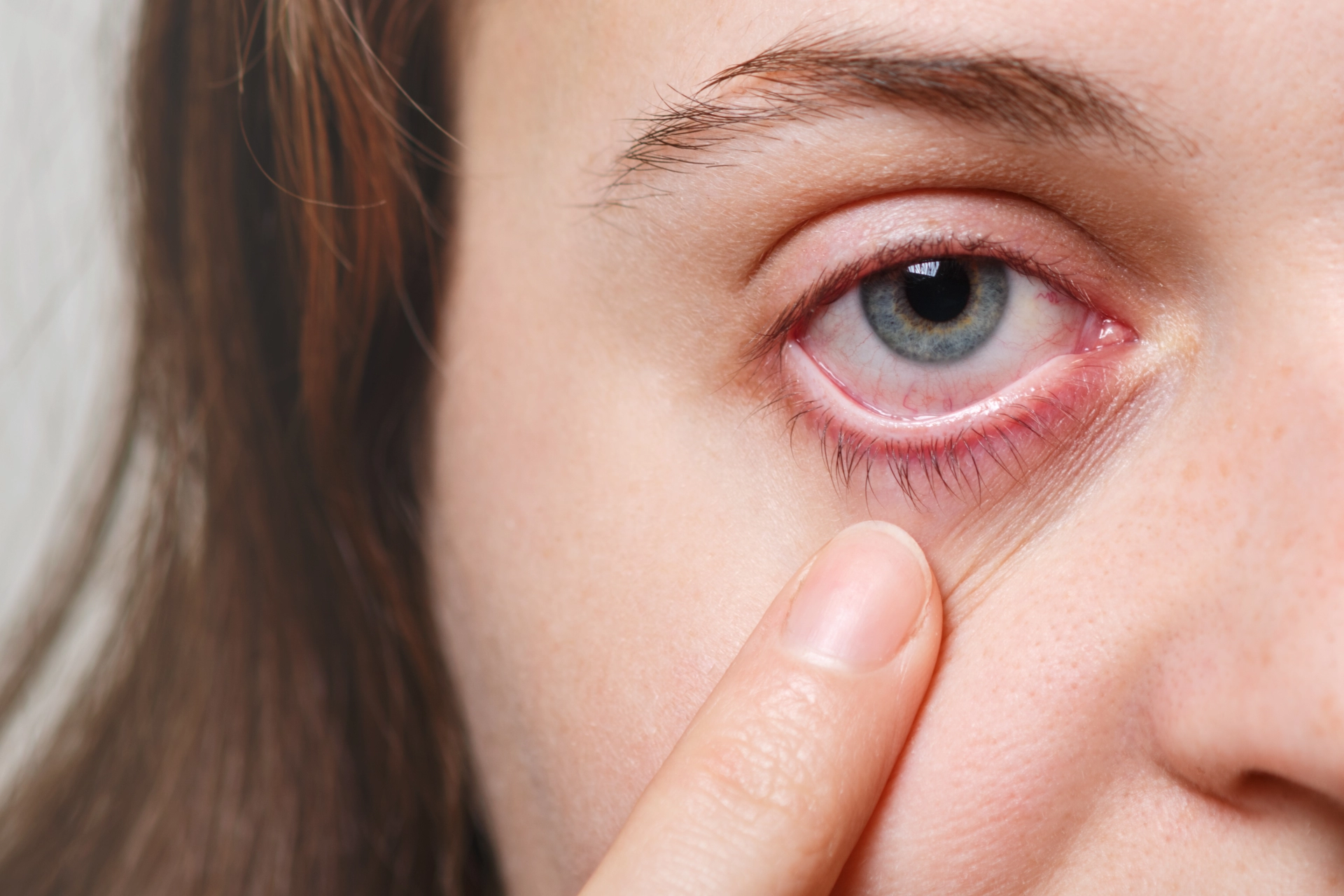
• Redness, swelling, and a feeling of heaviness in the eyelids.
• Yellowish-white crusts or discharge at the base of the eyelashes.
• Tearing, a gritty or foreign body sensation.
• Recurrent inflammation along the eyelid margins, sometimes involving the cornea and conjunctiva.
If the mites affect the meibomian glands, meibomian gland dysfunction may develop, causing chronic eye dryness, irritation, and light sensitivity.

Diagnosis

Diagnosis is confirmed by an ophthalmologist through microscopic examination of eyelashes to identify mites and their eggs. Additionally, the condition of the cornea and tear film is evaluated to determine the severity of inflammation and to detect possible complications.

Modern Treatment Approaches

Treatment of demodicosis is lengthy and requires a complex, combined approach aimed at reducing mite activity, eliminating inflammation, and restoring normal eyelid function.
The main treatment directions are:
1.

Eyelid and eyelash hygiene

— daily cleansing with special lotions or wipes to remove secretions and mite waste; warm compresses to improve meibomian gland function.
2.

Topical therapy

— ointments and drops containing anti-mite components such as tea tree oil, metronidazole, or ivermectin; anti-inflammatory agents to reduce redness and swelling.
3.

Systemic therapy

— oral medications in severe cases, prescribed only under medical supervision.
4.

Supportive therapy

— artificial tears to relieve dryness, as well as lifestyle adjustments including healthy diet, adequate sleep, and stress management.

Prevention

To prevent recurrence, it is essential to maintain regular eyelid hygiene, limit the use of oily cosmetics, and avoid using old or contaminated makeup products. Any early signs such as itching, redness, or tearing should prompt a visit to an ophthalmologist to avoid complications.

Conclusion
Demodicosis does not threaten vision directly, but it can significantly affect quality of life by causing chronic discomfort, irritation, and cosmetic concerns. Early diagnosis, proper hygiene, and comprehensive treatment allow effective control of the disease and help prevent relapses.
What your skin says about your health
19 June 2026
Our skin does much more than protect us from the outside world. As the body's largest organ, it can also reflect what is happening inside. Changes in the skin are often blamed on weather, aging, or stress, but in some cases they may be early signs that the body needs attention.The appearance of your skin is closely connected to your general health. Factors such as nutrition, hydration, sleep quality, stress levels, and hormone balance can all affect how your skin looks and feels. Because the skin constantly responds to changes within the body, it may sometimes reveal health issues before other symptoms become noticeable.Changes that may deserve attentionSome skin changes are temporary and harmless, but others can persist or appear without an obvious reason. Signs that should not be ignored include:• Persistent dryness or itching• Unusual changes in skin color• Darkened patches of skin• Easy bruising• Slow-healing cuts or wounds• New or changing spots on the skinThese changes do not automatically mean that a serious illness is present. However, when they last for a long time or continue to worsen, they may deserve medical evaluation.How internal health can affect the skinMany health conditions can influence the appearance of the skin. Nutritional deficiencies may leave the skin looking pale, dry, or lacking its usual glow. Hormonal and metabolic changes can affect skin texture and pigmentation, while certain liver, kidney, or circulation problems may also cause visible changes.Even everyday factors can have an impact. Chronic stress and inadequate sleep often make the skin appear tired and dull and may increase sensitivity or worsen existing skin problems.Taking care of your skin means taking care of your healthHealthy habits support not only your overall well-being but also the condition of your skin:• Eat a balanced diet rich in vitamins and nutrients• Stay well hydrated• Get enough quality sleep• Protect your skin from excessive sun exposure• Stay physically active and manage stressOur skin is often one of the first places where changes in health become visible. While most skin changes are harmless, persistent dryness, unexplained discoloration, slow-healing wounds, or other unusual changes should not be overlooked. Paying attention to these signs and seeking medical advice when necessary may help identify underlying health problems earlier and support long-term well-being.
Silent hypertension: Symptoms many people ignore
14 June 2026
High blood pressure, also known as hypertension, is one of the most common health conditions worldwide. Yet many people live with it for years without realizing it. Because it often develops without obvious warning signs, hypertension is frequently called the "silent killer."Even when a person feels completely healthy, persistently high blood pressure can gradually damage blood vessels and vital organs. Over time, this hidden damage may increase the risk of serious complications, including heart disease, stroke, kidney problems, and vision loss.What is hypertension?Blood pressure is the force of blood pushing against the walls of the arteries as the heart pumps. It naturally rises and falls throughout the day, but when it remains consistently elevated, it is considered hypertension.Over time, increased pressure inside the arteries makes the heart work harder and places additional strain on blood vessels throughout the body. This process can slowly affect important organs, including the heart, brain, kidneys, and eyes.Symptoms many people ignoreAlthough many individuals have no symptoms at all, some people may experience:• Frequent headaches• Dizziness or lightheadedness• Unexplained fatigue• Shortness of breath• Blurred vision• Nosebleeds• Heart palpitations or a pounding sensation in the chestThese symptoms can have many different causes and do not necessarily indicate high blood pressure. However, persistent or recurring symptoms should not be ignored, especially in people with known risk factors.Who is at higher risk?Several factors can increase the likelihood of developing hypertension:• Family history of high blood pressure• Overweight or obesity• Physical inactivity• Excessive salt intake• Smoking• Excessive alcohol consumption• Diabetes• High cholesterol• Chronic stress• Increasing ageHaving one or more of these risk factors does not guarantee that a person will develop hypertension, but it does make regular blood pressure monitoring particularly important.Why untreated hypertension is dangerousWhen high blood pressure remains uncontrolled, it can gradually damage the body and increase the risk of:• Heart attack• Stroke• Heart failure• Chronic kidney disease• Vision problems• Damage to blood vessels and other organsBecause these complications often develop slowly, many people underestimate the importance of monitoring and controlling their blood pressure.Can hypertension be prevented or controlled?The good news is that hypertension can often be prevented or successfully managed through healthy lifestyle habits and, when necessary, medical treatment.Helpful measures include:• Checking blood pressure regularly• Maintaining a healthy weight• Exercising regularly• Limiting salt intake• Eating a balanced diet• Avoiding smoking• Limiting alcohol consumption• Managing stress effectively• Taking prescribed medications as directedBecause hypertension frequently develops without noticeable symptoms, regular blood pressure checks are one of the most effective ways to detect it early. Timely diagnosis and treatment can significantly reduce the risk of heart disease, stroke, kidney damage, and other serious complications, helping protect long-term health and quality of life.
Fatty liver disease: Why it happens and how to protect your liver
11 June 2026
Fatty liver disease is a condition in which fat builds up in the liver. A small amount of fat in the liver is normal, but when it becomes excessive, it can interfere with the liver’s function and, in some cases, lead to serious complications.Today, healthcare providers often use the term steatotic liver disease instead of “fatty liver disease.” The newer name reflects the fact that the condition can develop for several different reasons, not only because of obesity or weight gain.What is fatty liver disease?Fatty liver disease occurs when fat makes up more than 5% of the liver’s weight. There are two main categories:• Alcohol-related liver disease – caused by excessive alcohol consumption.• Metabolic dysfunction-associated steatotic liver disease (MASLD)– previously called non-alcoholic fatty liver disease (NAFLD). This form is linked to metabolic and cardiovascular risk factors rather than heavy alcohol use.A more serious form of MASLD is metabolic-associated steatohepatitis (MASH), where fat buildup leads to inflammation, liver cell damage, and scarring.Why fatty liver disease mattersIn many people, fatty liver disease causes little or no immediate harm. However, in some cases it can progress through several stages:• Fatty liver (steatosis) – fat buildup without major damage.• Steatohepatitis – inflammation and liver cell injury.• Fibrosis – scar tissue begins to form.• Cirrhosis – extensive scarring that can lead to liver failure or liver cancer.Because progression can happen slowly over many years, early detection is important even when symptoms are mild or absent.Why many people don’t know they have itFatty liver disease is often called a “silent” condition because it usually causes no noticeable symptoms in its early stages. Many people discover it accidentally during routine blood tests or an ultrasound done for another reason.When symptoms do occur, they may include:• Persistent fatigue• A feeling of being unwell• Discomfort or fullness in the upper right side of the abdomen• Weakness or low energyMore severe symptoms, such as jaundice, swelling, or unexplained weight loss, usually appear only after significant liver damage has developed.Common risk factorsSeveral factors can increase the risk of developing fatty liver disease:• Overweight or obesity, especially abdominal fat• Type 2 diabetes or prediabetes• High blood pressure• High cholesterol or triglycerides• Polycystic ovary syndrome (PCOS)• Sedentary lifestyle• Obstructive sleep apnea• Excessive alcohol consumption• Certain medications, including some steroids and hormone-related drugsInsulin resistance plays a major role in many cases, which is why fatty liver disease is closely connected to obesity and type 2 diabetes.Can fatty liver disease be reversed?The encouraging news is that early-stage fatty liver disease can often improve, and sometimes even reverse, with lifestyle changes. The liver has a remarkable ability to repair itself when the underlying cause is addressed.The most effective steps include• Achieving and maintaining a healthy weight• Regular physical activity (aim for at least 150 minutes per week)• Eating a balanced diet rich in vegetables, fruits, whole grains, and lean protein• Reducing processed foods, added sugars, and saturated fats• Avoiding or limiting alcohol• Controlling diabetes, blood pressure, and cholesterol levels• Getting vaccinated against hepatitis A and B if recommended by a healthcare providerEven a modest weight loss can significantly reduce liver fat and inflammation.The importance of early actionFatty liver disease should not be ignored simply because it may not cause symptoms at first. Over time, untreated liver fat can progress to inflammation, scarring, and cirrhosis. It is also associated with a higher risk of heart disease, which is a leading cause of death in people with MASLD.Persistent fatigue, abdominal discomfort, abnormal liver tests, or risk factors such as obesity and diabetes are good reasons to discuss liver health with a doctor. Early diagnosis and lifestyle changes can protect the liver, improve overall health, and reduce the risk of serious complications in the future.
What Is Angioedema?
07 June 2026
Angioedema (Quincke's edema) is a condition that causes sudden swelling in the deeper layers of the skin and soft tissues. Unlike hives, which appear on the surface of the skin, angioedema develops underneath it, often affecting the lips, eyelids, face, tongue, hands, feet, or other parts of the body. Although many cases are mild and resolve within a few hours or days, angioedema should never be underestimated. When swelling affects the tongue, throat, or airways, it can rapidly interfere with breathing and become life-threatening. Recognizing the warning signs and seeking prompt medical care can be crucial. What causes angioedema? Angioedema occurs when fluid leaks from small blood vessels into nearby tissues, leading to swelling. It can be triggered by allergies, medications, infections, or certain underlying health conditions. Common causes include: • Food allergies, insect stings, latex allergy and contact with animals that trigger allergic reactions • Medications, especially some blood pressure drugs known as ACE inhibitors • Hereditary angioedema, a rare genetic condition that causes recurrent swelling episodes In some people, no specific cause can be identified. What are the symptoms? The most noticeable symptom is sudden swelling beneath the skin. The lips, eyelids, face, tongue, and throat are among the areas most often affected. Some people may also experience abdominal pain, nausea, vomiting, diarrhea, dizziness, or fainting. Hives can occur at the same time, although angioedema may develop without any rash. When is it an emergency? Angioedema requires immediate medical attention if swelling involves the tongue, throat, or airways. In severe cases, the swelling can progress quickly and partially or completely block airflow to the lungs. Seek emergency help if you experience: • Difficulty breathing or wheezing • Trouble swallowing or a feeling of throat tightness • Severe dizziness, weakness, or fainting Delaying treatment can have serious consequences. As swelling increases, breathing may become increasingly difficult, oxygen levels can fall, and the condition may become life-threatening. For this reason, any sudden swelling of the tongue, throat, or lips should be treated as a medical emergency until evaluated by a healthcare professional. How is angioedema diagnosed and treated? Doctors usually diagnose angioedema based on symptoms, medical history, and possible triggers. Allergy tests, blood tests, or genetic testing may be recommended in some cases. Treatment depends on the underlying cause. Antihistamines, corticosteroids, and epinephrine may be used for allergic reactions, while people with hereditary angioedema may require specialized medications. Avoiding known triggers is an important part of preventing future episodes.

Fill in the required fields

I am waiting for a call

We will help you quickly find what you need!

Thank you!
Our employee will contact you soon
Close
dalimed medical
How can we help?
Leave your number and we will call you back
Book a call
I agree with the terms of personal data processing
Thank you!
Our employee will contact you soon
Close