The Symptoms of Cataract

The Symptoms of Cataract

The Symptoms of Cataract
Cataract is an eye disease characterized by clouding of the lens, the biological lens of the eye, which interferes with the normal perception of images. As a result of this process, vision gradually worsens, which may eventually lead to complete blindness if not treated in time.
The main symptom of cataract is the gradual decline in vision, and the disease often develops without pain. Initially, the deterioration of vision may be barely noticeable, but over time it progresses. The world around you starts to appear blurry, as if the person is looking through fogged glass or a screen of falling water. Colors become dull, and details become less sharp. Glasses do not help in this case, as the issue is not related to refraction.
An important symptom is that, at the beginning of the disease, vision for nearby objects may even improve. This happens because cataract often causes myopia (nearsightedness), which improves the visibility of objects at a close distance. However, as the disease progresses, the situation worsens, and later, patients begin to suffer from vision loss both near and far.
Other characteristic signs of cataract include:

The appearance of halos

around bright light sources, such as street lamps or car headlights, especially at night.

Double vision

. This is also often observed under bright light and in low-light conditions.

Reduced contrast sensitivity

. Patients with cataract may have difficulty distinguishing shades of similar colors, such as blue and purple.

Increased sensitivity to light

. Even ordinary daylight may irritate the eyes.

Difficulty reading, sewing, or working with small details

. These difficulties are related to focus and clarity issues.
The symptoms of cataract vary depending on its type and stage. For example, in nuclear cataract (clouding of the central part of the lens), vision for nearby objects may improve at first, but later, a loss of visual acuity occurs. In cortical cataract (clouding at the lens periphery), changes in vision occur more slowly, and the patient may not notice vision deterioration for a long time.
As the disease progresses and the clouding of the lens continues, vision can decline to the point where the person loses the ability to distinguish objects and orient themselves in space. In mature cataract, vision is completely lost, and the pupil takes on a milky-white hue.

Treatment of Cataract

Currently, the only effective treatment for cataract is surgical intervention, as no other methods, such as medication or folk remedies, can restore the transparency of the lens.

Surgical Treatment

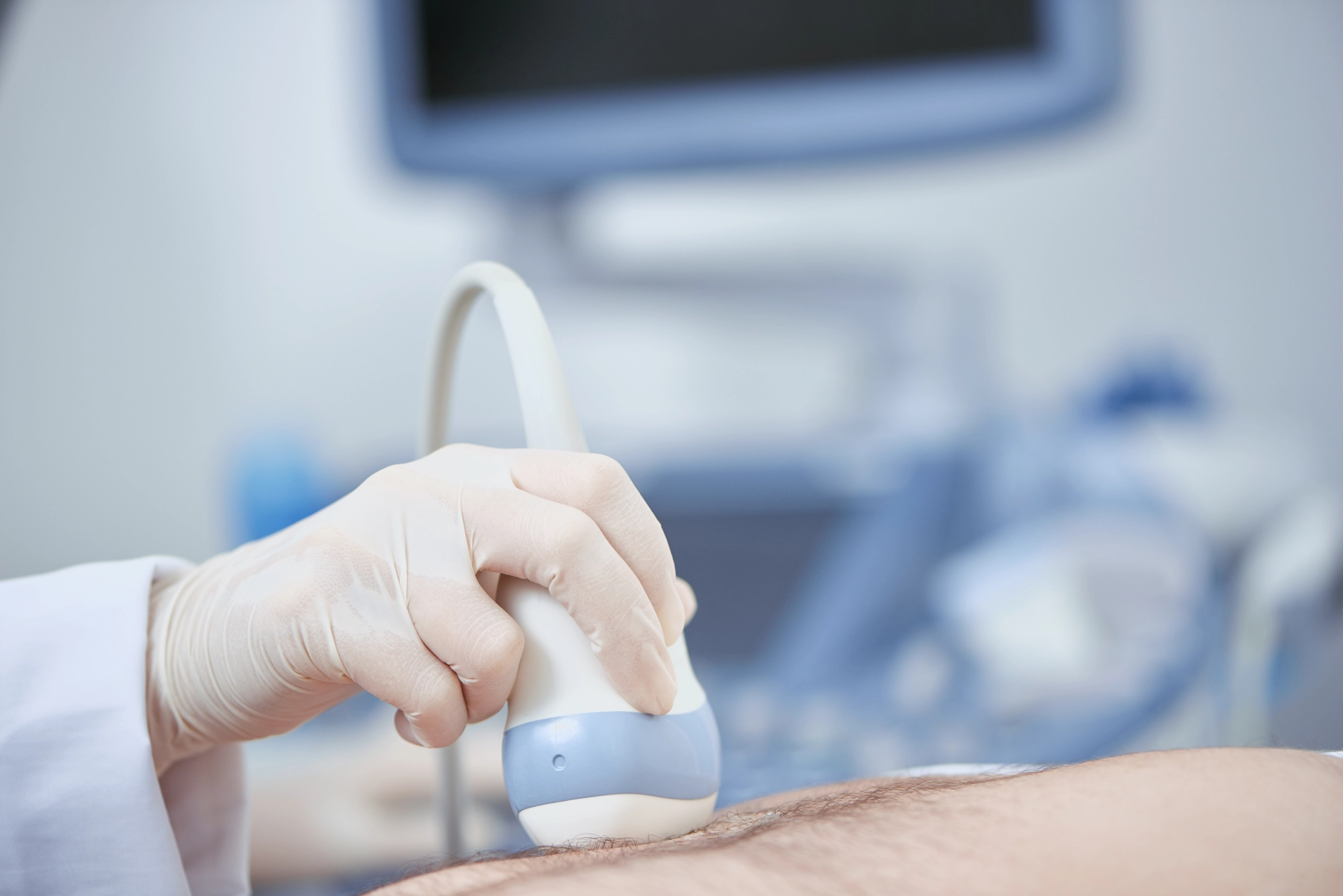
The main method of treating cataract is surgery to remove the cloudy lens and replace it with an artificial lens. This surgery is called phacoemulsification. In this method, ultrasound is used to break up the lens, after which the fragments are removed from the eye, and an artificial lens (intraocular lens, IOL) is placed in its place.
Phacoemulsification is a modern and minimally invasive method that preserves vision and ensures a fast recovery period. The operation is performed through a small incision, only 2-3 mm, which minimizes the risk of complications and promotes quick healing. It usually takes 15 to 20 minutes and is performed under local anesthesia, making it accessible even for elderly patients.
Moreover, after such an operation, stitches are not required, as the incision heals on its own. It is important that the postoperative period usually goes without complications, and patients often regain their vision within a few days.

Artificial Lenses

After cataract surgery, an artificial lens is placed in the eye. Today, there are several types of intraocular lenses:

Monofocal lenses

, which provide clear vision at one distance (e.g., for distance or near vision).

Multifocal lenses

, which provide good vision at different distances and can replace glasses for near and far vision.

Astigmatic lenses

, intended for patients with astigmatism.
The choice of lens depends on the patient’s condition and needs, as well as consultation with an ophthalmologist. It is important to note that even after successful cataract lens replacement surgery, patients may need additional glasses for certain tasks, such as reading.

Conclusion

Cataract is a common disease that impairs daily life and can lead to blindness if left untreated. However, with modern treatment methods, including cataract surgery with artificial lens implantation, most patients regain their vision and return to normal life.

Early detection of the disease and consultation with an ophthalmologist are key to successful treatment and preventing the development of serious complications.
What is creatinine?
18 March 2026
Creatinine is a waste product formed during normal muscle metabolism. When muscles use energy, a compound called creatine breaks down and produces creatinine. This substance enters the bloodstream and is carried to the kidneys, where it is filtered and removed from the body through urine. Because this process happens continuously, creatinine levels in the blood help show how well the kidneys are functioning. Although creatinine itself has no direct function in the body, it is one of the most commonly used laboratory markers for evaluating kidney health. Healthy kidneys keep creatinine levels within a stable range. When kidney filtration decreases, creatinine begins to accumulate in the blood, which may suggest impaired kidney function. Why is creatinine important? A creatinine test is often included in routine blood work because it helps doctors assess kidney filtration. It is commonly ordered together with other tests in a basic metabolic panel or comprehensive metabolic panel. Since kidney disease may develop without clear early symptoms, creatinine measurement can help detect problems at an early stage. Doctors usually request creatinine testing in the following situations: • to evaluate kidney function in people with diabetes, high blood pressure, or heart disease • to monitor patients with chronic kidney disease • to assess whether medications may be affecting kidney function Creatinine results are often interpreted together with estimated glomerular filtration rate, which gives a more accurate picture of kidney performance because it also considers age and sex. Normal creatinine levels Normal creatinine values vary according to age, sex, muscle mass, and hydration status. People with greater muscle mass usually have slightly higher levels. Typical blood creatinine ranges are: • Adult men: 0.7–1.2 mg/dL • Adult women: 0.5–1.0 mg/dL Laboratory ranges may differ slightly, so results should always be interpreted by a healthcare professional. Low and high creatinine levels Low creatinine is usually related to reduced muscle mass, poor nutrition, pregnancy, or liver problems. It is less common and often not related to kidney disease. High creatinine usually indicates reduced kidney filtration, but temporary increases may also occur because of dehydration, intense exercise, or high protein intake. Common causes of high creatinine include: • kidney infections • kidney stones • kidney inflammation • kidney failure • uncontrolled diabetes or high blood pressure Symptoms may include fatigue, swelling, nausea, reduced urination, or changes in urine color. Treatment and monitoring Creatinine itself is not treated directly; treatment depends on the underlying cause. If abnormal levels are linked to infection, blood pressure problems, diabetes, or kidney disease, treatment is directed at those conditions. Regular monitoring is important because changes in creatinine can help detect kidney problems early and guide treatment decisions.
What is ultrasonic skin cleansing?
14 March 2026
Ultrasonic skin cleansing is a modern non-invasive cosmetic procedure that removes surface impurities, excess oil, and dead skin cells using high-frequency sound vibrations. Unlike manual exfoliation, this treatment works gently on the outer skin layer without causing trauma, making it suitable for patients who want effective skin refreshment without discomfort. During the procedure, a special ultrasonic device with a metal spatula creates microscopic vibrations that loosen impurities from pores and lift them to the surface.The technology is based on controlled sound waves applied through a liquid medium on the skin. These vibrations help separate keratinized cells, soften sebaceous buildup, and improve superficial circulation. As a result, the skin becomes cleaner, fresher, and better prepared to absorb skincare products.One of the main advantages of ultrasonic skin cleansing is that it combines cleansing with mild stimulation. Along with removing superficial impurities, the treatment supports local blood flow and lymphatic drainage, which may reduce puffiness and improve overall skin appearance.When ultrasonic skin cleansing is recommendedThis treatment is often recommended when the skin requires delicate but regular maintenance.Common indications include:• oily or combination skin• blackheads and superficial comedones• dull complexion and uneven texture• early decrease in skin firmness• preparation before other cosmetic proceduresBecause the method is gentle, it can also be included in regular professional skin care.Main benefits of ultrasonic cleansingUltrasonic cleansing is considered one of the most comfortable professional facial procedures because it does not involve aggressive extraction.Main advantages include:• painless treatment without skin injury• suitable for most skin types• minimal or no recovery period• immediate feeling of smoother, cleaner skin• improved absorption of serums and moisturizersUltrasonic waves may also stimulate natural regenerative processes, helping improve skin tone over time.Contraindications and aftercareAlthough ultrasonic cleansing is safe, it is not recommended in cases of active inflammation, open skin lesions, severe acne, pacemaker presence, pregnancy in some cases, or acute dermatological conditions.After the procedure, patients should avoid direct sun exposure, hot baths, sauna, and aggressive cosmetic products for 24–48 hours. Sunscreen is recommended because freshly exfoliated skin may be more sensitive.Your journey to flawless skin begins with a professional touch. At Dalimed Medical Center, we utilize state-of-the-art equipment and individualized treatment plans to ensure your skin stays fresh, clear, and vibrant. Discover the difference that expert care can make.
Importance of Vitamin B12
09 March 2026
Vitamin B12 is an essential vitamin that helps the body function properly. Although it is needed in small amounts, it plays an important role in producing red blood cells, supporting the nervous system, and maintaining brain health. Because the body cannot produce vitamin B12, it must be obtained from food or supplements. One of the main roles of vitamin B12 is helping the body produce healthy red blood cells, which carry oxygen throughout the body. When B12 levels are low, red blood cells may not develop properly, which can lead to anemia and symptoms such as fatigue and weakness. Vitamin B12 is also important for the nervous system. It helps keep nerves healthy and supports communication between the brain and the rest of the body. Low levels may cause symptoms like tingling in the hands and feet, balance problems, or difficulty concentrating. Another role of vitamin B12 is supporting the formation of DNA, the genetic material found in every cell. Since the body constantly produces new cells, adequate B12 is necessary for normal cell growth and repair. Vitamin B12 is mainly found in animal-based foods such as meat, fish, eggs, and dairy products. People who eat these foods usually get enough of the vitamin, while vegetarians and vegans may need fortified foods or supplements. Some people may also develop vitamin B12 deficiency because their bodies cannot absorb it properly. This can happen in older adults, people with certain digestive diseases, or those who have had surgery involving the stomach or intestines. Long-term use of some medications may also affect vitamin B12 absorption. Symptoms of vitamin B12 deficiency can develop slowly and may include: • Fatigue or low energy • Muscle weakness • Pale skin • Dizziness or shortness of breath • Tingling or numbness in hands and feet • Memory problems or difficulty concentrating If these symptoms appear, a doctor may recommend a blood test to check vitamin B12 levels. Keeping adequate vitamin B12 levels in the body can help support overall health. Some important benefits include: • Helping the body produce healthy red blood cells • Supporting the brain and nervous system • Contributing to normal energy levels • Supporting healthy bones and eyes • Helping maintain normal memory and concentration Most people can maintain healthy vitamin B12 levels by eating a balanced diet that includes foods rich in this vitamin. In some cases, doctors may recommend vitamin B12 supplements, especially for older adults or people who follow plant-based diets. In summary, vitamin B12 is a small but very important nutrient that supports many vital functions in the body. Ensuring that you get enough of it through food or supplements can help maintain energy, protect the nervous system, and support overall health.
24-Hour Blood Pressure Monitoring
06 March 2026
Blood pressure changes constantly during the day depending on activity, stress, and sleep. Because of these natural fluctuations, a single measurement taken during a doctor’s visit may not always show a person’s true blood pressure. 24-hour blood pressure monitoring, also called ambulatory blood pressure monitoring, helps provide a more accurate picture by recording blood pressure repeatedly over an entire day and night. During this test, a cuff is placed around the upper arm and connected to a small portable monitor worn on a belt or shoulder strap. The device automatically inflates the cuff and measures blood pressure at regular intervals—usually every 15–30 minutes during the day and about once every hour at night. Each reading records two numbers: systolic pressure, which shows the pressure when the heart pumps blood, and diastolic pressure, which reflects the pressure when the heart relaxes. Doctors use this test to better understand how blood pressure changes during daily activities and sleep. It is often recommended when clinic measurements are inconsistent, when treatment needs to be evaluated, or when symptoms such as dizziness or fainting occur. Continuous monitoring can also detect hidden blood pressure patterns that might not appear during a single clinic visit. The monitoring usually begins at a clinic, where the device is fitted and instructions are given. After that, the patient continues normal daily activities while wearing the monitor for 24 hours. The cuff inflates automatically throughout the day and night, and it is important to keep the arm still during each measurement to ensure accuracy. To help obtain reliable results, patients should follow a few simple guidelines: • Wear loose clothing so the cuff can inflate easily. • Remain still when the cuff tightens during measurements. • Continue normal activities but avoid heavy exercise or bathing. • Keep the monitor connected and record any symptoms or activities. After the monitoring period ends, the device is returned to the clinic where the recorded data are analyzed. Doctors evaluate the average blood pressure over the entire day, as well as daytime and nighttime values. Normally, blood pressure decreases slightly during sleep, and changes in this pattern can provide important information about cardiovascular health. Twenty-four-hour blood pressure monitoring is a simple and effective way to assess blood pressure more accurately than occasional measurements alone. By showing how blood pressure behaves during everyday life, it helps doctors diagnose hypertension correctly and choose the most appropriate treatment. Take the first step toward a healthier heart and schedule your 24-hour monitoring at Dalimed Medical Center today.

Fill in the required fields

I am waiting for a call

We will help you quickly find what you need!

Thank you!
Our employee will contact you soon
Close
dalimed medical
How can we help?
Leave your number and we will call you back
Book a call
I agree with the terms of personal data processing
Thank you!
Our employee will contact you soon
Close