What is bite correction?

What is bite correction?

What is bite correction?
Bite correction is a dental and orthodontic treatment focused on improving how the upper and lower teeth fit together, a relationship known as occlusion. When the bite is properly aligned, the teeth, jaw muscles, and joints work together smoothly. When it is not, everyday actions such as chewing, speaking, or swallowing can become uncomfortable and inefficient.
Many people believe orthodontic treatment is only about straight teeth, but bite alignment is just as important. A healthy bite protects your teeth from damage, supports jaw function, and contributes to overall oral and facial health.

Understanding Bite Problems (Malocclusion)

A misaligned bite, also called malocclusion, occurs when the upper and lower teeth do not align correctly when the mouth is closed. This condition may be caused by genetics, jaw development issues, missing teeth, injuries, or childhood habits.

Common bite problems include:

1. Overbite, Underbite, and Crossbite

An overbite occurs when the upper teeth excessively overlap the lower teeth, while an underbite happens when the lower teeth extend past the upper teeth. A crossbite occurs when upper teeth sit inside the lower teeth instead of outside.

2. Open Bite and Crowding

An open bite means the teeth do not touch when biting down. Crowded or crooked teeth can also prevent proper alignment and lead to uneven pressure on teeth.

3. General Misalignment

Improper spacing or positioning of teeth can affect chewing efficiency, oral hygiene, and jaw comfort.
If left untreated, malocclusion may cause jaw pain, headaches, worn or damaged teeth, gum disease, and changes in facial appearance.

Functional Benefits of Bite Correction

Bite correction improves how your mouth functions and helps prevent long-term oral problems.
• Better chewing and clearer speech
Aligned teeth make eating more comfortable and can reduce speech difficulties.
• Jaw pain and TMJ relief
Correcting bite alignment reduces strain on jaw muscles and joints, easing tension, clicking, and discomfort.
• Protection from tooth damage
Evenly distributed bite pressure helps prevent enamel wear, chipping, and cracking.
Proper alignment also makes brushing and flossing easier, lowering the risk of cavities and gum disease.

Aesthetic and Confidence Benefits

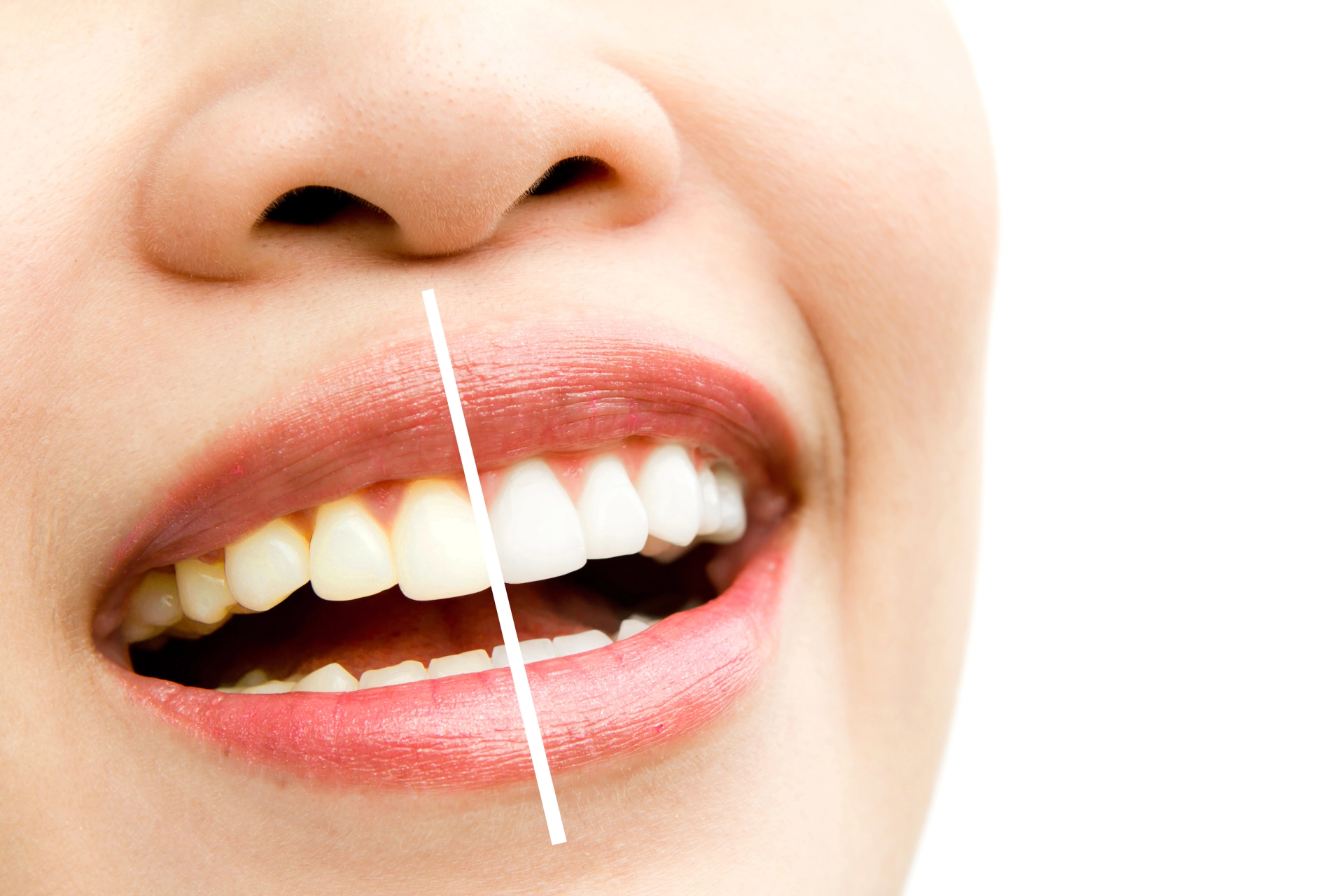
Bite correction doesn’t just improve function—it also enhances appearance. Proper alignment creates a more balanced smile, improves facial symmetry, and reduces crowding or gaps. Over time, untreated bite problems may contribute to premature facial aging or jawline changes.
A healthy, aligned smile often leads to increased confidence, positively affecting both personal and professional life.

Causes and Symptoms of a Bad Bite

Malocclusion is often inherited, but it can also result from habits or medical conditions.

Common causes include

: thumb-sucking, prolonged pacifier use, jaw injuries, missing or impacted teeth, teeth grinding, tongue thrusting, mouth breathing, and poor oral hygiene.

Symptoms may include

: difficulty chewing, jaw pain or clicking, headaches, speech issues, frequent cheek or tongue biting, mouth breathing, and noticeable changes in facial appearance.

Bite Correction Treatment Options

Treatment depends on the severity of the problem and the patient’s age.
1. Orthodontic Treatments
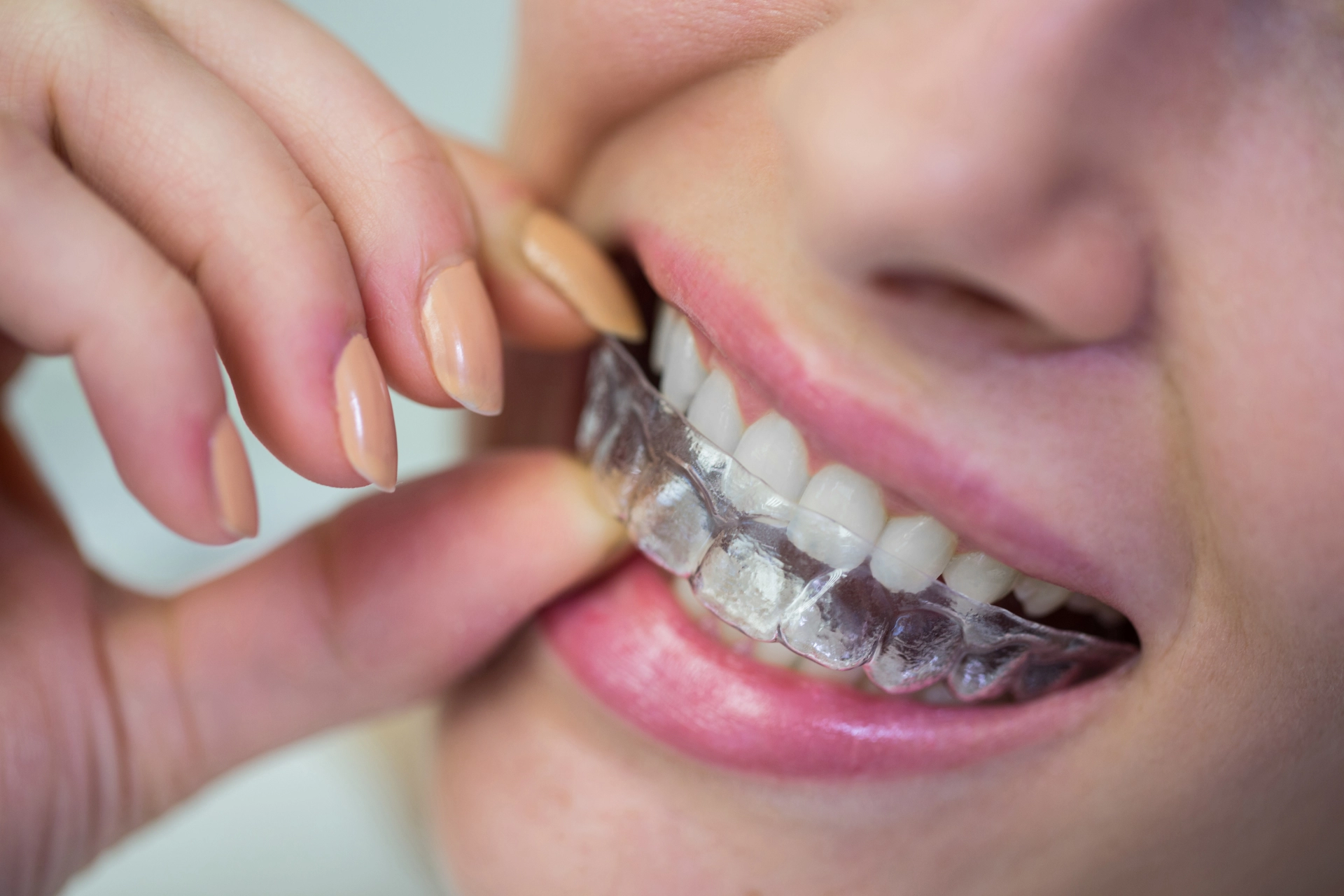
Traditional braces and clear aligners gradually move teeth into proper alignment and are effective for mild to complex cases.
2. Restorative Procedures
Crowns, bridges, implants, or tooth replacement can help restore bite balance when teeth are missing or damaged.
3. Advanced or Supportive Treatments
Bite adjustment, jaw expanders, headgear, tooth extraction, or jaw surgery may be recommended in more severe cases.
Treatment typically lasts between 12 months and two and a half years, with regular checkups to monitor progress.

When Is Bite Correction Necessary?

Not every mild bite issue requires treatment. However, if malocclusion affects eating, speaking, breathing, oral hygiene, or causes pain or tooth damage, professional care is important. Early treatment—especially in children—is often easier, but adults can benefit from bite correction at any age.

Take the First Step Toward a Healthier Smile

A misaligned bite can affect your comfort, confidence, and long-term oral health. Early diagnosis and timely treatment help prevent complications and improve quality of life.
If you are concerned about your bite, the experienced dental team at Dalimed Medical Center is ready to help. We provide personalized bite correction solutions using modern techniques to restore function and enhance your smile. Don’t wait—schedule a consultation at Dalimed Medical Center and take an important step toward a healthier, more confident future.
What your skin says about your health
19 June 2026
Our skin does much more than protect us from the outside world. As the body's largest organ, it can also reflect what is happening inside. Changes in the skin are often blamed on weather, aging, or stress, but in some cases they may be early signs that the body needs attention.The appearance of your skin is closely connected to your general health. Factors such as nutrition, hydration, sleep quality, stress levels, and hormone balance can all affect how your skin looks and feels. Because the skin constantly responds to changes within the body, it may sometimes reveal health issues before other symptoms become noticeable.Changes that may deserve attentionSome skin changes are temporary and harmless, but others can persist or appear without an obvious reason. Signs that should not be ignored include:• Persistent dryness or itching• Unusual changes in skin color• Darkened patches of skin• Easy bruising• Slow-healing cuts or wounds• New or changing spots on the skinThese changes do not automatically mean that a serious illness is present. However, when they last for a long time or continue to worsen, they may deserve medical evaluation.How internal health can affect the skinMany health conditions can influence the appearance of the skin. Nutritional deficiencies may leave the skin looking pale, dry, or lacking its usual glow. Hormonal and metabolic changes can affect skin texture and pigmentation, while certain liver, kidney, or circulation problems may also cause visible changes.Even everyday factors can have an impact. Chronic stress and inadequate sleep often make the skin appear tired and dull and may increase sensitivity or worsen existing skin problems.Taking care of your skin means taking care of your healthHealthy habits support not only your overall well-being but also the condition of your skin:• Eat a balanced diet rich in vitamins and nutrients• Stay well hydrated• Get enough quality sleep• Protect your skin from excessive sun exposure• Stay physically active and manage stressOur skin is often one of the first places where changes in health become visible. While most skin changes are harmless, persistent dryness, unexplained discoloration, slow-healing wounds, or other unusual changes should not be overlooked. Paying attention to these signs and seeking medical advice when necessary may help identify underlying health problems earlier and support long-term well-being.
Silent hypertension: Symptoms many people ignore
14 June 2026
High blood pressure, also known as hypertension, is one of the most common health conditions worldwide. Yet many people live with it for years without realizing it. Because it often develops without obvious warning signs, hypertension is frequently called the "silent killer."Even when a person feels completely healthy, persistently high blood pressure can gradually damage blood vessels and vital organs. Over time, this hidden damage may increase the risk of serious complications, including heart disease, stroke, kidney problems, and vision loss.What is hypertension?Blood pressure is the force of blood pushing against the walls of the arteries as the heart pumps. It naturally rises and falls throughout the day, but when it remains consistently elevated, it is considered hypertension.Over time, increased pressure inside the arteries makes the heart work harder and places additional strain on blood vessels throughout the body. This process can slowly affect important organs, including the heart, brain, kidneys, and eyes.Symptoms many people ignoreAlthough many individuals have no symptoms at all, some people may experience:• Frequent headaches• Dizziness or lightheadedness• Unexplained fatigue• Shortness of breath• Blurred vision• Nosebleeds• Heart palpitations or a pounding sensation in the chestThese symptoms can have many different causes and do not necessarily indicate high blood pressure. However, persistent or recurring symptoms should not be ignored, especially in people with known risk factors.Who is at higher risk?Several factors can increase the likelihood of developing hypertension:• Family history of high blood pressure• Overweight or obesity• Physical inactivity• Excessive salt intake• Smoking• Excessive alcohol consumption• Diabetes• High cholesterol• Chronic stress• Increasing ageHaving one or more of these risk factors does not guarantee that a person will develop hypertension, but it does make regular blood pressure monitoring particularly important.Why untreated hypertension is dangerousWhen high blood pressure remains uncontrolled, it can gradually damage the body and increase the risk of:• Heart attack• Stroke• Heart failure• Chronic kidney disease• Vision problems• Damage to blood vessels and other organsBecause these complications often develop slowly, many people underestimate the importance of monitoring and controlling their blood pressure.Can hypertension be prevented or controlled?The good news is that hypertension can often be prevented or successfully managed through healthy lifestyle habits and, when necessary, medical treatment.Helpful measures include:• Checking blood pressure regularly• Maintaining a healthy weight• Exercising regularly• Limiting salt intake• Eating a balanced diet• Avoiding smoking• Limiting alcohol consumption• Managing stress effectively• Taking prescribed medications as directedBecause hypertension frequently develops without noticeable symptoms, regular blood pressure checks are one of the most effective ways to detect it early. Timely diagnosis and treatment can significantly reduce the risk of heart disease, stroke, kidney damage, and other serious complications, helping protect long-term health and quality of life.
Fatty liver disease: Why it happens and how to protect your liver
11 June 2026
Fatty liver disease is a condition in which fat builds up in the liver. A small amount of fat in the liver is normal, but when it becomes excessive, it can interfere with the liver’s function and, in some cases, lead to serious complications.Today, healthcare providers often use the term steatotic liver disease instead of “fatty liver disease.” The newer name reflects the fact that the condition can develop for several different reasons, not only because of obesity or weight gain.What is fatty liver disease?Fatty liver disease occurs when fat makes up more than 5% of the liver’s weight. There are two main categories:• Alcohol-related liver disease – caused by excessive alcohol consumption.• Metabolic dysfunction-associated steatotic liver disease (MASLD)– previously called non-alcoholic fatty liver disease (NAFLD). This form is linked to metabolic and cardiovascular risk factors rather than heavy alcohol use.A more serious form of MASLD is metabolic-associated steatohepatitis (MASH), where fat buildup leads to inflammation, liver cell damage, and scarring.Why fatty liver disease mattersIn many people, fatty liver disease causes little or no immediate harm. However, in some cases it can progress through several stages:• Fatty liver (steatosis) – fat buildup without major damage.• Steatohepatitis – inflammation and liver cell injury.• Fibrosis – scar tissue begins to form.• Cirrhosis – extensive scarring that can lead to liver failure or liver cancer.Because progression can happen slowly over many years, early detection is important even when symptoms are mild or absent.Why many people don’t know they have itFatty liver disease is often called a “silent” condition because it usually causes no noticeable symptoms in its early stages. Many people discover it accidentally during routine blood tests or an ultrasound done for another reason.When symptoms do occur, they may include:• Persistent fatigue• A feeling of being unwell• Discomfort or fullness in the upper right side of the abdomen• Weakness or low energyMore severe symptoms, such as jaundice, swelling, or unexplained weight loss, usually appear only after significant liver damage has developed.Common risk factorsSeveral factors can increase the risk of developing fatty liver disease:• Overweight or obesity, especially abdominal fat• Type 2 diabetes or prediabetes• High blood pressure• High cholesterol or triglycerides• Polycystic ovary syndrome (PCOS)• Sedentary lifestyle• Obstructive sleep apnea• Excessive alcohol consumption• Certain medications, including some steroids and hormone-related drugsInsulin resistance plays a major role in many cases, which is why fatty liver disease is closely connected to obesity and type 2 diabetes.Can fatty liver disease be reversed?The encouraging news is that early-stage fatty liver disease can often improve, and sometimes even reverse, with lifestyle changes. The liver has a remarkable ability to repair itself when the underlying cause is addressed.The most effective steps include• Achieving and maintaining a healthy weight• Regular physical activity (aim for at least 150 minutes per week)• Eating a balanced diet rich in vegetables, fruits, whole grains, and lean protein• Reducing processed foods, added sugars, and saturated fats• Avoiding or limiting alcohol• Controlling diabetes, blood pressure, and cholesterol levels• Getting vaccinated against hepatitis A and B if recommended by a healthcare providerEven a modest weight loss can significantly reduce liver fat and inflammation.The importance of early actionFatty liver disease should not be ignored simply because it may not cause symptoms at first. Over time, untreated liver fat can progress to inflammation, scarring, and cirrhosis. It is also associated with a higher risk of heart disease, which is a leading cause of death in people with MASLD.Persistent fatigue, abdominal discomfort, abnormal liver tests, or risk factors such as obesity and diabetes are good reasons to discuss liver health with a doctor. Early diagnosis and lifestyle changes can protect the liver, improve overall health, and reduce the risk of serious complications in the future.
What Is Angioedema?
07 June 2026
Angioedema (Quincke's edema) is a condition that causes sudden swelling in the deeper layers of the skin and soft tissues. Unlike hives, which appear on the surface of the skin, angioedema develops underneath it, often affecting the lips, eyelids, face, tongue, hands, feet, or other parts of the body. Although many cases are mild and resolve within a few hours or days, angioedema should never be underestimated. When swelling affects the tongue, throat, or airways, it can rapidly interfere with breathing and become life-threatening. Recognizing the warning signs and seeking prompt medical care can be crucial. What causes angioedema? Angioedema occurs when fluid leaks from small blood vessels into nearby tissues, leading to swelling. It can be triggered by allergies, medications, infections, or certain underlying health conditions. Common causes include: • Food allergies, insect stings, latex allergy and contact with animals that trigger allergic reactions • Medications, especially some blood pressure drugs known as ACE inhibitors • Hereditary angioedema, a rare genetic condition that causes recurrent swelling episodes In some people, no specific cause can be identified. What are the symptoms? The most noticeable symptom is sudden swelling beneath the skin. The lips, eyelids, face, tongue, and throat are among the areas most often affected. Some people may also experience abdominal pain, nausea, vomiting, diarrhea, dizziness, or fainting. Hives can occur at the same time, although angioedema may develop without any rash. When is it an emergency? Angioedema requires immediate medical attention if swelling involves the tongue, throat, or airways. In severe cases, the swelling can progress quickly and partially or completely block airflow to the lungs. Seek emergency help if you experience: • Difficulty breathing or wheezing • Trouble swallowing or a feeling of throat tightness • Severe dizziness, weakness, or fainting Delaying treatment can have serious consequences. As swelling increases, breathing may become increasingly difficult, oxygen levels can fall, and the condition may become life-threatening. For this reason, any sudden swelling of the tongue, throat, or lips should be treated as a medical emergency until evaluated by a healthcare professional. How is angioedema diagnosed and treated? Doctors usually diagnose angioedema based on symptoms, medical history, and possible triggers. Allergy tests, blood tests, or genetic testing may be recommended in some cases. Treatment depends on the underlying cause. Antihistamines, corticosteroids, and epinephrine may be used for allergic reactions, while people with hereditary angioedema may require specialized medications. Avoiding known triggers is an important part of preventing future episodes.

Fill in the required fields

I am waiting for a call

We will help you quickly find what you need!

Thank you!
Our employee will contact you soon
Close
dalimed medical
How can we help?
Leave your number and we will call you back
Book a call
I agree with the terms of personal data processing
Thank you!
Our employee will contact you soon
Close