Food Allergies

Food Allergies

Food Allergies
Food allergies occur when your immune system mistakenly identifies a specific food as a threat. In an attempt to defend your body, it triggers a range of reactions like skin rashes, stomach discomfort, swelling, and trouble breathing. Unlike food intolerances, allergic responses can be immediate or delayed and may impact several body systems at once.
The difference between a food allergy and food intolerance is important to understand. While a food allergy involves an immune response, food intolerance typically leads to issues such as bloating or abdominal pain a few hours after eating the problematic food, without involving the immune system.

Symptoms of a food allergy

Symptoms of a food allergy may appear soon after consumption or even days later. They can affect various parts of the body simultaneously. Common signs include:

•Dizziness or lightheadedness

•Swollen lips, eyes, or face (angioedema)

•Itchy skin or hives (raised rash)

•Wheezing, coughing, or difficulty breathing

•Sneezing, runny or blocked nose

•Hoarseness or noisy breathing

•Nausea or vomiting

•Stomach cramps

•Diarrhea


Causes of food allergy

Food allergies are the result of the immune system overreacting to proteins found in certain foods. Although the exact cause isn’t fully known, some foods are more likely to provoke an allergic reaction in susceptible individuals. These include:
•Cow’s milk
•Eggs
•Peanuts, soybeans, peas, and chickpeas
•Tree nuts like almonds, walnuts, hazelnuts, pecans, pistachios, Brazil nuts, and cashews
•Shellfish such as prawns, crab, and lobster
•Wheat

In addition, foods like mustard, sesame seeds, celery, and lupin flour can also be allergens. Your risk increases slightly if you or close family members have other allergies, eczema, or asthma.

What kind of testing do I need for a food allergy?

To identify a food allergy, healthcare providers may recommend:

Skin prick test

: A small amount of a suspected allergen is introduced to your skin to observe for a reaction.

Blood test

: Your blood is analyzed for the presence of antibodies that respond to specific allergens.

Food challenge

: Under medical supervision, small portions of a suspected allergen are consumed to monitor for a reaction.

What are the complications of food allergies?

One of the most dangerous outcomes of a food allergy is anaphylaxis — a severe and potentially life-threatening reaction. This may involve swelling of the airways, difficulty breathing or swallowing, vomiting, and a significant drop in blood pressure (anaphylactic shock). If not treated promptly, anaphylaxis can be fatal. Seek emergency medical attention or call 1-03 immediately if you experience swelling in the face, lips, or throat, trouble breathing, or faintness after eating.

What is creatinine?
18 March 2026
Creatinine is a waste product formed during normal muscle metabolism. When muscles use energy, a compound called creatine breaks down and produces creatinine. This substance enters the bloodstream and is carried to the kidneys, where it is filtered and removed from the body through urine. Because this process happens continuously, creatinine levels in the blood help show how well the kidneys are functioning. Although creatinine itself has no direct function in the body, it is one of the most commonly used laboratory markers for evaluating kidney health. Healthy kidneys keep creatinine levels within a stable range. When kidney filtration decreases, creatinine begins to accumulate in the blood, which may suggest impaired kidney function. Why is creatinine important? A creatinine test is often included in routine blood work because it helps doctors assess kidney filtration. It is commonly ordered together with other tests in a basic metabolic panel or comprehensive metabolic panel. Since kidney disease may develop without clear early symptoms, creatinine measurement can help detect problems at an early stage. Doctors usually request creatinine testing in the following situations: • to evaluate kidney function in people with diabetes, high blood pressure, or heart disease • to monitor patients with chronic kidney disease • to assess whether medications may be affecting kidney function Creatinine results are often interpreted together with estimated glomerular filtration rate, which gives a more accurate picture of kidney performance because it also considers age and sex. Normal creatinine levels Normal creatinine values vary according to age, sex, muscle mass, and hydration status. People with greater muscle mass usually have slightly higher levels. Typical blood creatinine ranges are: • Adult men: 0.7–1.2 mg/dL • Adult women: 0.5–1.0 mg/dL Laboratory ranges may differ slightly, so results should always be interpreted by a healthcare professional. Low and high creatinine levels Low creatinine is usually related to reduced muscle mass, poor nutrition, pregnancy, or liver problems. It is less common and often not related to kidney disease. High creatinine usually indicates reduced kidney filtration, but temporary increases may also occur because of dehydration, intense exercise, or high protein intake. Common causes of high creatinine include: • kidney infections • kidney stones • kidney inflammation • kidney failure • uncontrolled diabetes or high blood pressure Symptoms may include fatigue, swelling, nausea, reduced urination, or changes in urine color. Treatment and monitoring Creatinine itself is not treated directly; treatment depends on the underlying cause. If abnormal levels are linked to infection, blood pressure problems, diabetes, or kidney disease, treatment is directed at those conditions. Regular monitoring is important because changes in creatinine can help detect kidney problems early and guide treatment decisions.
What is ultrasonic skin cleansing?
14 March 2026
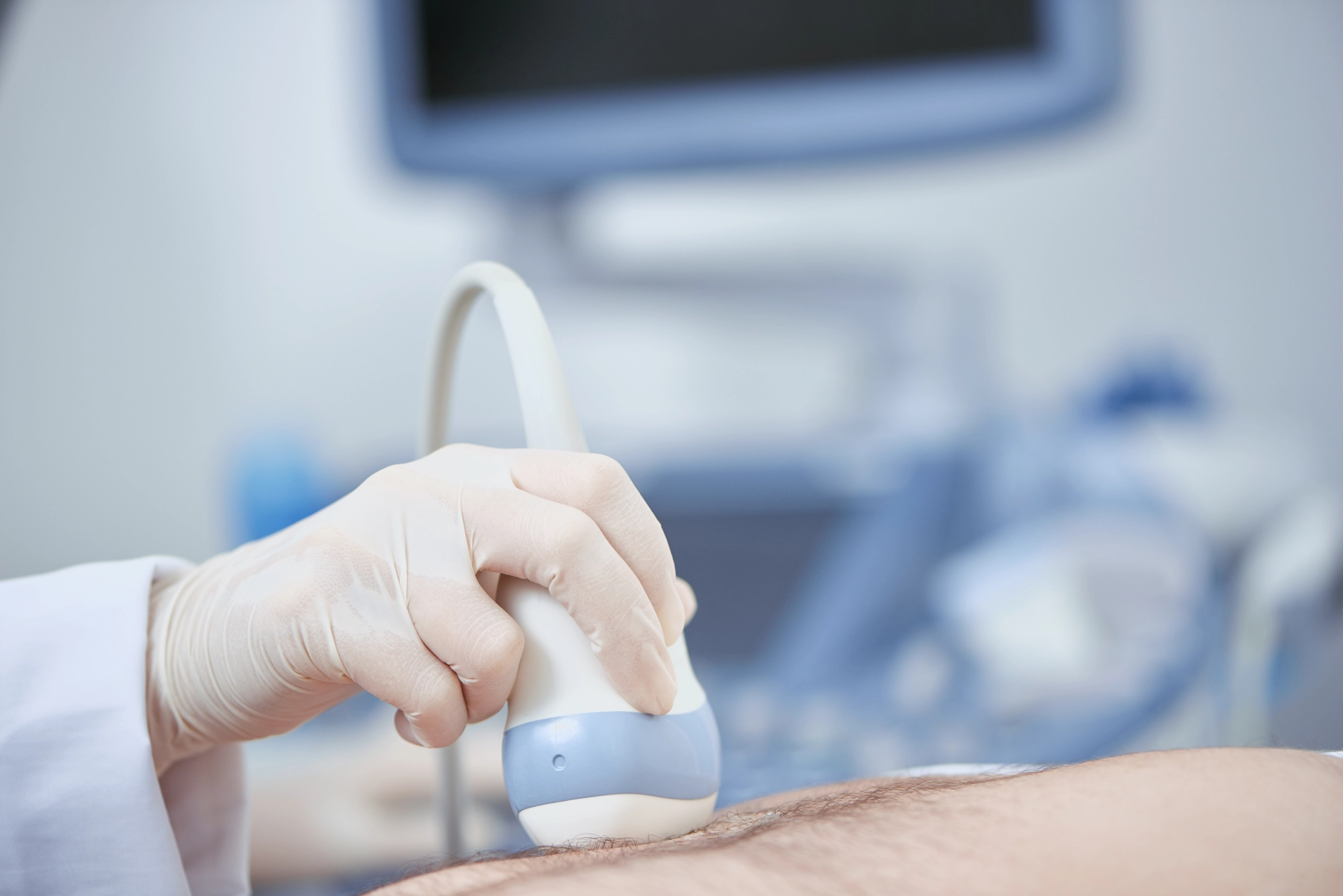
Ultrasonic skin cleansing is a modern non-invasive cosmetic procedure that removes surface impurities, excess oil, and dead skin cells using high-frequency sound vibrations. Unlike manual exfoliation, this treatment works gently on the outer skin layer without causing trauma, making it suitable for patients who want effective skin refreshment without discomfort. During the procedure, a special ultrasonic device with a metal spatula creates microscopic vibrations that loosen impurities from pores and lift them to the surface.The technology is based on controlled sound waves applied through a liquid medium on the skin. These vibrations help separate keratinized cells, soften sebaceous buildup, and improve superficial circulation. As a result, the skin becomes cleaner, fresher, and better prepared to absorb skincare products.One of the main advantages of ultrasonic skin cleansing is that it combines cleansing with mild stimulation. Along with removing superficial impurities, the treatment supports local blood flow and lymphatic drainage, which may reduce puffiness and improve overall skin appearance.When ultrasonic skin cleansing is recommendedThis treatment is often recommended when the skin requires delicate but regular maintenance.Common indications include:• oily or combination skin• blackheads and superficial comedones• dull complexion and uneven texture• early decrease in skin firmness• preparation before other cosmetic proceduresBecause the method is gentle, it can also be included in regular professional skin care.Main benefits of ultrasonic cleansingUltrasonic cleansing is considered one of the most comfortable professional facial procedures because it does not involve aggressive extraction.Main advantages include:• painless treatment without skin injury• suitable for most skin types• minimal or no recovery period• immediate feeling of smoother, cleaner skin• improved absorption of serums and moisturizersUltrasonic waves may also stimulate natural regenerative processes, helping improve skin tone over time.Contraindications and aftercareAlthough ultrasonic cleansing is safe, it is not recommended in cases of active inflammation, open skin lesions, severe acne, pacemaker presence, pregnancy in some cases, or acute dermatological conditions.After the procedure, patients should avoid direct sun exposure, hot baths, sauna, and aggressive cosmetic products for 24–48 hours. Sunscreen is recommended because freshly exfoliated skin may be more sensitive.Your journey to flawless skin begins with a professional touch. At Dalimed Medical Center, we utilize state-of-the-art equipment and individualized treatment plans to ensure your skin stays fresh, clear, and vibrant. Discover the difference that expert care can make.
Importance of Vitamin B12
09 March 2026
Vitamin B12 is an essential vitamin that helps the body function properly. Although it is needed in small amounts, it plays an important role in producing red blood cells, supporting the nervous system, and maintaining brain health. Because the body cannot produce vitamin B12, it must be obtained from food or supplements. One of the main roles of vitamin B12 is helping the body produce healthy red blood cells, which carry oxygen throughout the body. When B12 levels are low, red blood cells may not develop properly, which can lead to anemia and symptoms such as fatigue and weakness. Vitamin B12 is also important for the nervous system. It helps keep nerves healthy and supports communication between the brain and the rest of the body. Low levels may cause symptoms like tingling in the hands and feet, balance problems, or difficulty concentrating. Another role of vitamin B12 is supporting the formation of DNA, the genetic material found in every cell. Since the body constantly produces new cells, adequate B12 is necessary for normal cell growth and repair. Vitamin B12 is mainly found in animal-based foods such as meat, fish, eggs, and dairy products. People who eat these foods usually get enough of the vitamin, while vegetarians and vegans may need fortified foods or supplements. Some people may also develop vitamin B12 deficiency because their bodies cannot absorb it properly. This can happen in older adults, people with certain digestive diseases, or those who have had surgery involving the stomach or intestines. Long-term use of some medications may also affect vitamin B12 absorption. Symptoms of vitamin B12 deficiency can develop slowly and may include: • Fatigue or low energy • Muscle weakness • Pale skin • Dizziness or shortness of breath • Tingling or numbness in hands and feet • Memory problems or difficulty concentrating If these symptoms appear, a doctor may recommend a blood test to check vitamin B12 levels. Keeping adequate vitamin B12 levels in the body can help support overall health. Some important benefits include: • Helping the body produce healthy red blood cells • Supporting the brain and nervous system • Contributing to normal energy levels • Supporting healthy bones and eyes • Helping maintain normal memory and concentration Most people can maintain healthy vitamin B12 levels by eating a balanced diet that includes foods rich in this vitamin. In some cases, doctors may recommend vitamin B12 supplements, especially for older adults or people who follow plant-based diets. In summary, vitamin B12 is a small but very important nutrient that supports many vital functions in the body. Ensuring that you get enough of it through food or supplements can help maintain energy, protect the nervous system, and support overall health.
24-Hour Blood Pressure Monitoring
06 March 2026
Blood pressure changes constantly during the day depending on activity, stress, and sleep. Because of these natural fluctuations, a single measurement taken during a doctor’s visit may not always show a person’s true blood pressure. 24-hour blood pressure monitoring, also called ambulatory blood pressure monitoring, helps provide a more accurate picture by recording blood pressure repeatedly over an entire day and night. During this test, a cuff is placed around the upper arm and connected to a small portable monitor worn on a belt or shoulder strap. The device automatically inflates the cuff and measures blood pressure at regular intervals—usually every 15–30 minutes during the day and about once every hour at night. Each reading records two numbers: systolic pressure, which shows the pressure when the heart pumps blood, and diastolic pressure, which reflects the pressure when the heart relaxes. Doctors use this test to better understand how blood pressure changes during daily activities and sleep. It is often recommended when clinic measurements are inconsistent, when treatment needs to be evaluated, or when symptoms such as dizziness or fainting occur. Continuous monitoring can also detect hidden blood pressure patterns that might not appear during a single clinic visit. The monitoring usually begins at a clinic, where the device is fitted and instructions are given. After that, the patient continues normal daily activities while wearing the monitor for 24 hours. The cuff inflates automatically throughout the day and night, and it is important to keep the arm still during each measurement to ensure accuracy. To help obtain reliable results, patients should follow a few simple guidelines: • Wear loose clothing so the cuff can inflate easily. • Remain still when the cuff tightens during measurements. • Continue normal activities but avoid heavy exercise or bathing. • Keep the monitor connected and record any symptoms or activities. After the monitoring period ends, the device is returned to the clinic where the recorded data are analyzed. Doctors evaluate the average blood pressure over the entire day, as well as daytime and nighttime values. Normally, blood pressure decreases slightly during sleep, and changes in this pattern can provide important information about cardiovascular health. Twenty-four-hour blood pressure monitoring is a simple and effective way to assess blood pressure more accurately than occasional measurements alone. By showing how blood pressure behaves during everyday life, it helps doctors diagnose hypertension correctly and choose the most appropriate treatment. Take the first step toward a healthier heart and schedule your 24-hour monitoring at Dalimed Medical Center today.

Fill in the required fields

I am waiting for a call

We will help you quickly find what you need!

Thank you!
Our employee will contact you soon
Close
dalimed medical
How can we help?
Leave your number and we will call you back
Book a call
I agree with the terms of personal data processing
Thank you!
Our employee will contact you soon
Close