Dental plaque is a soft, sticky film that continuously forms on teeth as a result of normal biological processes in the mouth. It consists of bacteria, saliva components, and remnants of food. Although it is a natural occurrence, plaque becomes harmful when it is allowed to accumulate.
Shortly after cleaning your teeth, a thin invisible layer forms on the enamel. This layer attracts bacteria, which begin to multiply rapidly. When food is consumed—especially sugars and starches—these bacteria feed on the particles and produce acids.
This combination of bacteria, acids, and food debris forms plaque. Because this process happens constantly, plaque begins to rebuild within hours after brushing.
What happens if plaque is not removed
Plaque is the starting point of most common dental problems. If left untreated, it can lead to:
•
Tooth decay
: Acids break down enamel, forming cavities
•
Gingivitis
: Early gum disease characterized by redness, swelling, and bleeding
•
Periodontal disease
: Advanced infection affecting supporting bone and tissues
•
Tartar formation
: Hardened plaque that cannot be removed at home
Additionally, plaque buildup is a common cause of persistent bad breath due to bacterial activity.
Daily plaque removal strategies
Effective plaque control requires a combination of habits:
•
Brushing twice daily
: Use gentle, thorough movements and clean all tooth surfaces
•
Cleaning between teeth
: Floss or use interdental tools to remove hidden plaque
•
Supporting products
: Antibacterial or fluoride mouthwash may enhance protection
Consistency is key, as plaque reforms quickly.
Professional plaque and tartar removal
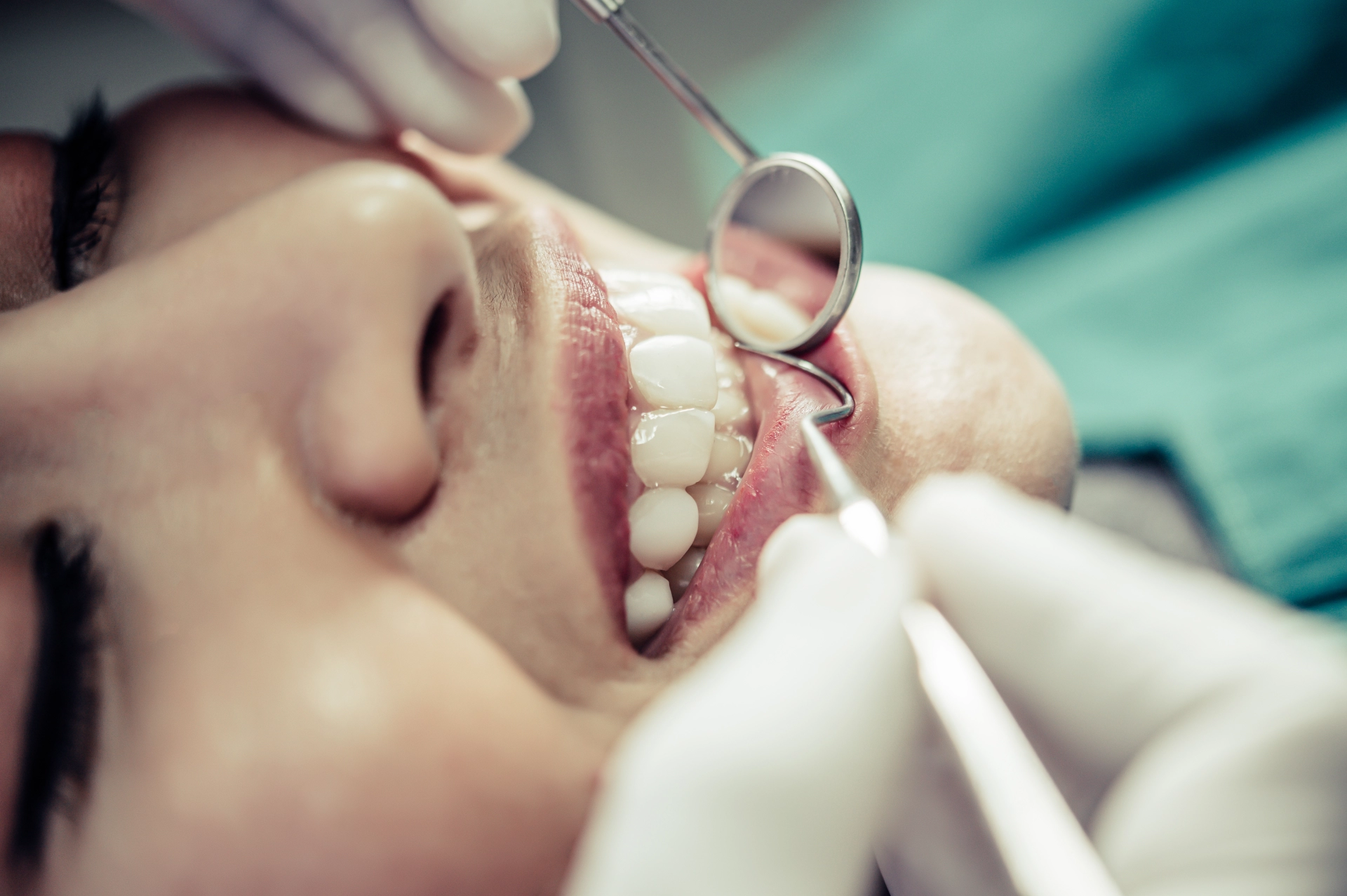
When plaque hardens into tartar, it firmly attaches to teeth and often accumulates along the gum line. At this stage, only dental professionals can remove it through a procedure known as scaling.
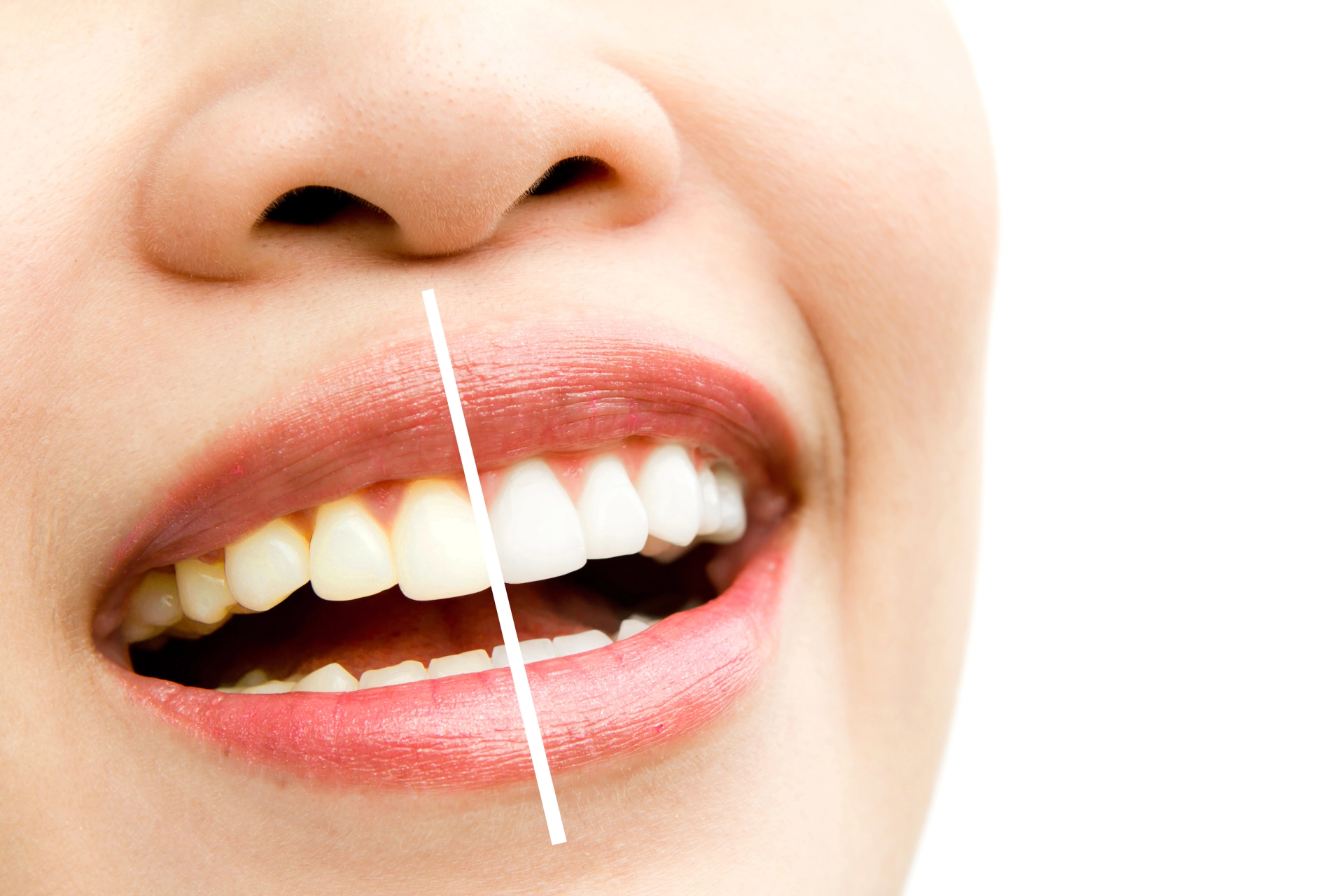
Professional cleanings may also include polishing, which smooths the tooth surface and helps reduce future plaque buildup.
Why regular dental visits matter
Routine dental check-ups allow early detection of problems caused by plaque. Depending on individual risk factors, visits are typically recommended every six months, though some individuals may require more frequent care.
Conclusion
Dental plaque is a natural but potentially harmful part of oral biology. Without proper care, it can lead to a range of complications affecting both teeth and gums. However, with consistent daily hygiene and regular professional care, plaque can be effectively controlled.






 Հայերեն
 Русский